
The modern man is bound to embark upon the quest for the holy grail of a suit that fits—after all, the struggle for the perfect fit is real today. An appropriately tailored fit evokes confidence and enhances appearance. Suits and formal menswear can be more intimidating than the average gent would like to admit, but it all becomes less complicated when you know these key components. This guide seeks to make sense of suit shopping, offering vital information to help you find that perfect suit.
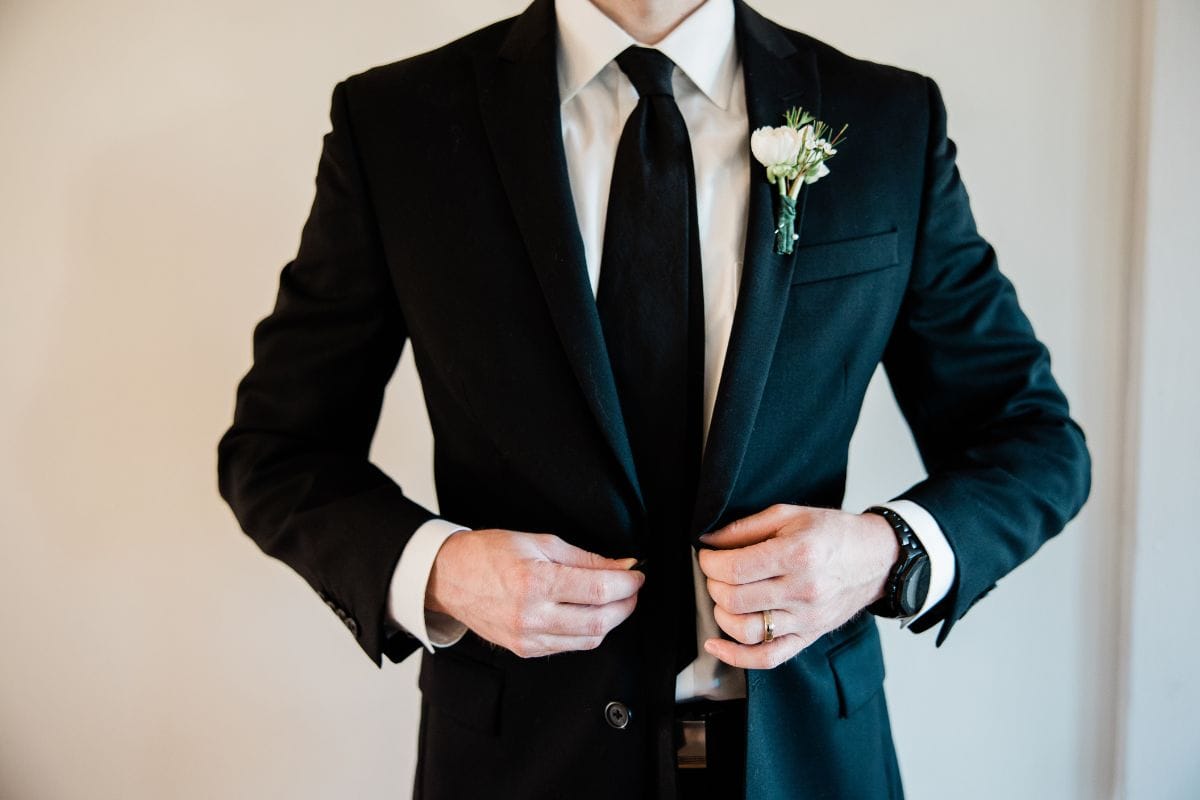
Understanding Suit Types
Professionals attending formal events often browse men’s suits for sale to find the best style. Different styles of suits have more than just an aesthetic role but also a function. These differences are essential to remember. It features the classic loose silhouette that offers the most comfortable classic fit. The second option is the slim fit, ideal for individuals seeking a fitted, tailored look that complements their body shape. At the same time, the modern fit leans between the two, with comfort but still some degree of style. Familiarity with these fundamental styles helps narrow down the options.
Choosing the Right Fabric
The choice of fabric significantly affects how a suit will feel and work. Wool is the most versatile and appropriate for any climate and occasion. It is a very popular fabric because of its breathability and natural durability. In warmer climates, linen suits are lightweight but crease effortlessly. Cotton is a more stylish and popular option, though it may be less comfortable than wool. By understanding the properties of the fabric, you can make smarter decisions.
Color Considerations
The color of your suit can significantly influence its versatility. The classic navy and charcoal are still the best options if you need versatility and a suit for different events. Those colors are easy to match with different shirt and tie pairs. Light shades like beige or pastel can give a fresh, contemporary vibe if you want a distinct approach. Richer or bolder tones may not suit every event, so they must be weighed more carefully. You will most likely use a color that complements your style and the rest of your wardrobe.
The Importance of Fit
The fit of a suit makes a huge difference in how it looks and feels. To guarantee the right fit, you need key areas: shoulders, chest, and waist. Shoulders should be natural and aligned with shoulder lines for smooth transitions. A chest that is tailored but not restrictive allows you to move without wasting fabric. The waist should follow the body’s natural curvature and taper in just a bit. Focusing on these areas ensures a flattering and properly fitting suit.
Choosing the Right Accessories
Accessories serve as the final element that enhances the overall appearance of the outfit. Accessories like ties, pocket squares, and cufflinks provide a more personalized touch. Choose a tie that is color and texturally harmonious. A pocket square adds depth to the outfit—it should go with the tie but not match it. Additionally, cufflinks are classy accessories that can reflect personal preference based on their design. Accessories elevate and strengthen the effect of a suit.
Recognizing Appropriate Times to Wear Them
Some occasions call for a mix of casual and formal wear. Understanding these minor details ensures the selection of the most appropriate fit for every occasion. Weddings or galas tend to be more formal. In work environments, a more reserved and formal look might be needed. Casual gatherings allow more relaxed styles, giving some space to creativity. The kind of event that directs the suit choice makes it appropriate and stylish.
Budgeting Wisely
Finally, a comfortable fit—budgeting for a quality suit is an investment. Expensive suits are well-made and use good materials, but you can also find suits with good value. Having a budget allows you to narrow down what works for your personal needs. When planning a purchase, consider the expense of conceivable changes or adjustments. Quality will last longer than quantity and should be essential for your closet.
Conclusion
In conclusion, the best way to find your most suitable suit will be to know your style, what occasions you will need a suit for, and, most importantly, the fit and fabric of the suit. If these elements are handled well, you can never go wrong with a suit that not only fits right but also makes you feel and gives you the right presence. Whether a significant event is coming up or a closet needs refreshing, a solid suit is something every modern man will want to keep in his arsenal.
