
Your skin is the largest organ of your body, and like everything else about you, it’s unique. While professionals, like dermatologists, categorize skin into general types, everyone’s skin is one of a kind with unique characteristics.
A person’s skin is also influenced by a complex interplay of factors. These include their genetic disposition, environmental exposure, lifestyle factors, and hormonal changes. These factors can also cause a person’s skin to change over time, as skin type isn’t static.
As dermatology specialists would attest, there are five different skin types. If you’re into skin care, understanding your skin type can help better inform your decisions and determine suitability for treatments. For example, while rejuran treatment is suitable for all skin types, some skin boosters are designed to work better for specific types (e.g., just dry skin).
This article will guide you through the different skin types, as well as how to determine your skin type, and why it’s important.

The five skin types
The American Academy of Dermatology (AAD) generally classifies skin by five different types, which are described below. While these categories were developed by the AAD, they are now used throughout the world—including Australia—for skin care products and treatments.
Oily skin
If an individual has an oily skin type, that means there’s an overproduction of sebum. Sebum is the oil-like substance that is produced by the sebaceous glands that everyone has in their skin.
Sebum plays an important role because it coats the skin in a protective layer, helping it retain moisture. While this is good, overproduction of sebum is not. It results in the oily skin type, which can cause a greasy complexion, pimples, and clogged pores.
If you have oily skin, there are skin care products that are formulated to remove and absorb the excess sebum. It’s also recommended to use products that are ‘non-comedogenic’, which are designed to prevent pore blockage.
Dry skin
This skin type is the opposite of oily skin. For people with dry skin, their sebaceous glands aren’t producing enough sebum. Dry skin is likely to have more of a texture to it, making it easier to see fine lines and wrinkles.
The main problem that comes with dry skin is the inability to naturally produce and retain moisture. So, when it comes to caring for your skin, you’ll want to choose stronger moisturizers that offer rich hydration and products that can seal it in.
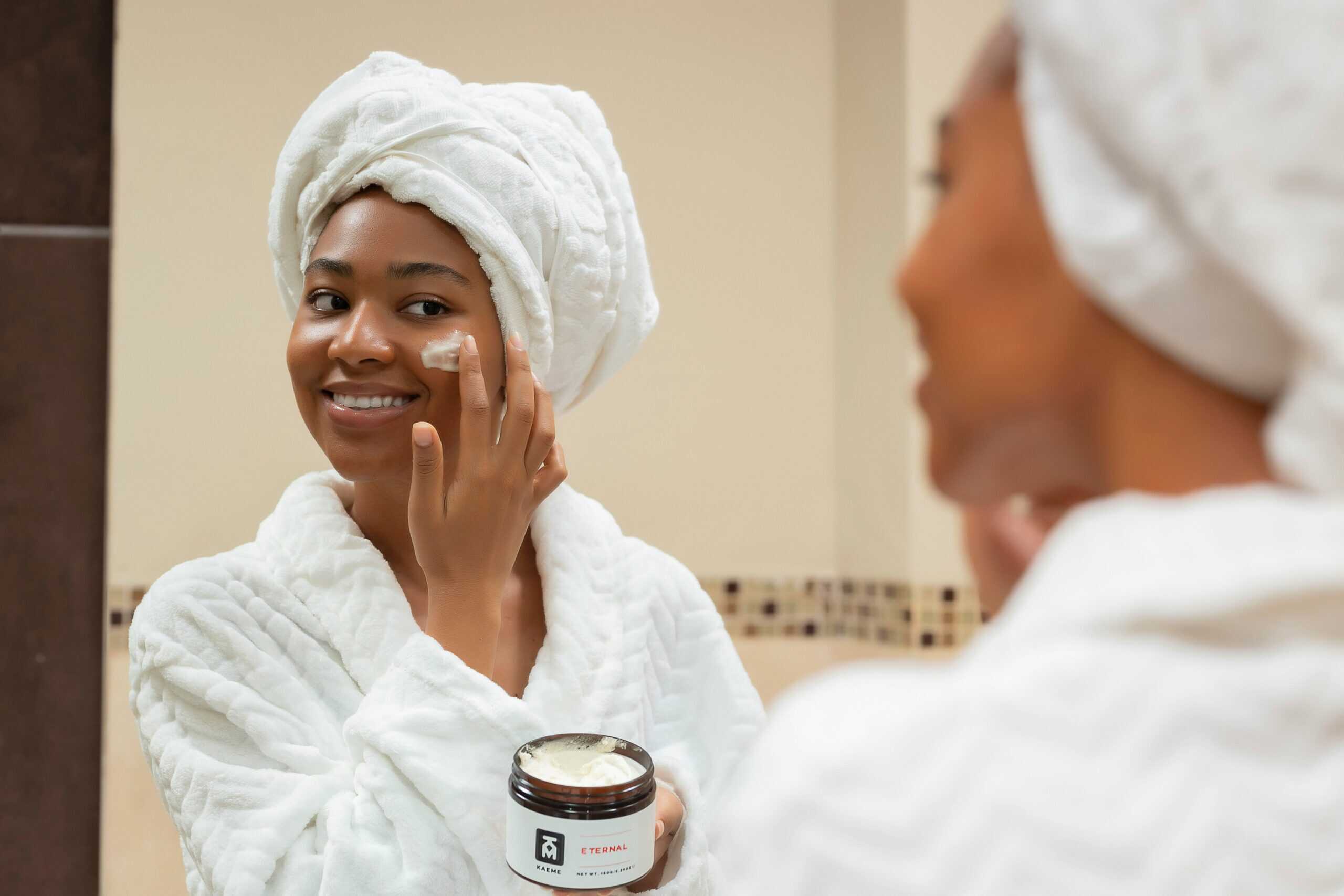
Combination skin
As you can probably guess, this type refers to when people have a combination of dry and oily skin. For example, their forehead and nose might be overproducing sebum, while their cheeks and chin are dry.
When it comes to skin care routines for combination skin types, they’ll vary from person to person. It’ll depend on how oily (and dry) their skin is, and which areas are affected.
Sensitive skin
This type of skin is unique because it’s possible to have sensitive skin with dry, oily, or combination skin types. It means that your skin is sensitive, and certain products (or ingredients) might flare up underlying conditions, like eczema or acne.
Normal skin
If you’re blessed with this skin type, it means you have the perfect balance between dry and oily skin, and your sebaceous glands are in great working order. Your skin isn’t sensitive, oily, or dry.
If you have normal skin, you’ll want to go for skin care products that are ‘mild’. You want to avoid any products that target oily or dry skin, as it could affect your skin and the production of sebum.
Determining your skin type
Unfortunately, there is no BuzzFeed quiz or sorting hat equivalent for skin type tests Skin care professionals, such as dermatologists, can assist with finding out your skin type, recommendations for skin care, and help with any skin-related issues.
If you’re determined to find out your skin type at home, the best method is to pay attention to how your skin looks and feels throughout the day. When you touch your face, does it feel oily? Do you constantly feel like you need more moisturizer?
Another strategy you can use to identify your skin type is through blotting paper. After cleansing and drying your face, wait. After 30 minutes, take blotting paper and dab at your skin.
If there’s a lot of oil accumulated on the blotting paper, it’s an indicator that you might have an oily skin type. It’s also important to use the blotting paper on various areas of your face to test for combination skin type.
Why it’s important
Knowledge is power, especially when it comes to skin types. Understanding your skin type is important because it’ll help you find what products are best for your skin and better manage any skin-related conditions, like acne or rosacea.
Going to any store and walking down the beauty aisle is daunting at the best of times – there’s an overwhelming number of products, and they can be hard to tell apart. Learning what skin type you have can help you determine which product is right for you.
From the start, you’ll be able to find treatment specifically designed for your skin type without having to wander aimlessly around the store, checking everything. It’ll save you time, since you won’t have to study all the different products. It’s also more cost-efficient, as you won’t have to buy and try various items to see what works best.

That’s so true! I’ve definitely noticed my skin changing over the years. In my teens, it was oily, but now, dryness is a constant battle, especially in the winter. Hormonal changes, like pregnancy, also had a huge impact. When I’m stressed, I break out, so I’m trying to find healthy coping mechanisms. Honestly, sometimes when I’m bored and stressed, playing the Dinosaur Game on my browser helps me distract myself for a bit!