
A chemo port can make treatment feel more manageable for someone moving between oncology visits, lab work, and recovery days. For families in Missouri, Illinois, and California, that small device under the skin may become part of a larger routine built around hospital schedules, medication plans, and the hope of fewer painful needle sticks. When a recall occurs, the concern shifts from convenience to trust. A patient may start looking differently at fever after access, swelling near the port, pain during infusion, or a sudden change in blood return.
That uncertainty is often what brings legal and medical questions together. A port catheter lawsuit may begin with records and product details, but for patients, the first concern is what the device could be doing inside the body and when symptoms need urgent care.
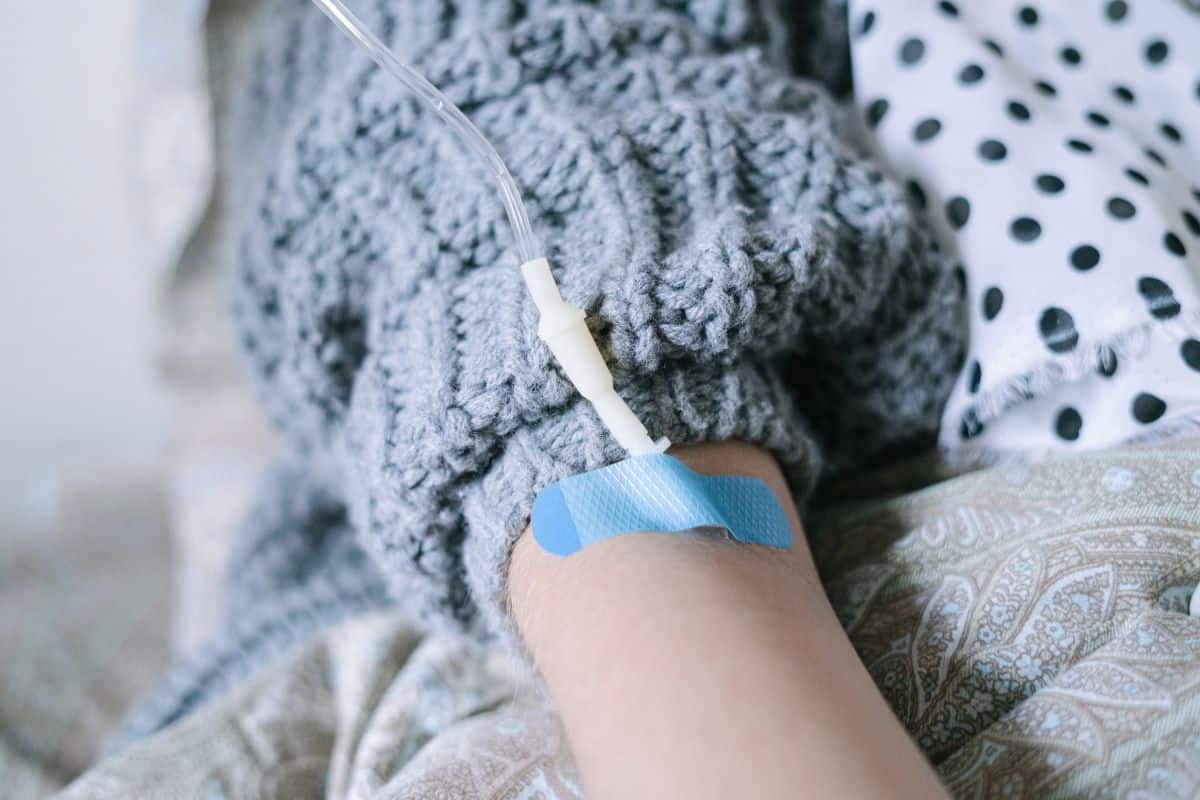
When a Recall Changes the Risk Picture
A recall signals a pattern of device performance concerns, such as cracking, separation, leakage, or loss of stability under pressure. People reading about a port catheter lawsuit often focus first on what protects health right now, rather than legal details. The first step is confirming the implanted device model and lot number. Next, the oncology team can advise on monitoring, imaging, and symptom reporting without interrupting essential treatment.
How Ports Can Fail Inside the Body
Device failure can start with material fatigue, a weak seal, or catheter wall damage. Tiny openings allow infused fluid to track into surrounding tissue, leading to burning pain and localized swelling. Movement within the vessel may irritate the lining, increasing clot risk. In uncommon cases, a fragment can dislodge and migrate, creating urgent cardiovascular hazards. Each pathway can disrupt therapy and require prompt clinical assessment.
Infection Risks and Early Clues
Ports reduce repeated skin breaks, yet infection can still develop at the access site or within the bloodstream. Microbes introduced during access may adhere to the device surface and form a protective biofilm. Fever, chills, redness, warmth, drainage, or escalating tenderness at the pocket should raise concern. Unexplained fatigue can matter, especially with a new temperature spike. Rapid evaluation helps protect circulation and may prevent treatment delays.
Clots, Swelling, and Circulation Changes
A catheter resting in a vein can disturb blood flow and slow venous return. With thrombosis, swelling may appear in one arm, the neck, or the face, sometimes with heaviness or color change. Some patients notice aching, prominent surface veins, or cooler skin on the affected side. Sudden chest pain or shortness of breath needs emergency assessment. Imaging guides anticoagulation decisions, balanced against bleeding risk.
Leaks and Tissue Injury During Infusion
A leaking port can allow medication to escape the vessel and irritate tissue planes. Sharp burning, tightness, or new pain during infusion should be treated as a warning sign. Swelling that expands after a session can also suggest extravasation. Certain infused drugs can injure skin, subcutaneous fat, and deeper structures. Nursing staff can stop the infusion, check patency, and initiate measures aimed at limiting injury.
Mechanical Breakage and Migration Signals
Catheter fracture may present subtly before it becomes urgent. Resistance during flushing, poor blood return, or repeated occlusion alarms can reflect a mechanical problem. A port that appears newly tilted, raised, or asymmetric may have shifted within the pocket. Discomfort near the collarbone or shoulder can occur if the tubing changes position. Imaging can confirm placement and detect structural compromise before complications progress.
What Patients Can Do This Week
Practical steps can improve safety without adding excessive burden. Keep a dated symptom log, including temperature readings and visible changes at the site. Save device cards, infusion summaries, and recent imaging reports in one folder. Ask the oncology clinic which symptoms require same-day contact, after-hours triage, or emergency care. Request a clear plan for blood cultures, ultrasound, or chest imaging if swelling or fever appears.
Questions to Ask the Care Team
Targeted questions support safer decisions. Which implanted model is present, and does it match any recall notice by lot number? How often should the port be assessed during ongoing chemotherapy? Which access method and antiseptic routine fits this device type? If malfunction is suspected, what steps come first, imaging, removal, or replacement? Clarify who coordinates follow-up so communication stays consistent.
How Health Effects Can Show Up Over Time
Some complications emerge quickly, while others develop over weeks. Recurrent low-grade fever, repeated clot episodes, or persistent pocket pain can drain energy and disrupt sleep. Treatment interruptions may worsen symptom burden and intensify emotional strain. Uncertainty is often the hardest part for our families. Regular check-ins, careful documentation, and timely imaging can reduce delays and help teams respond before problems escalate.
Conclusion
A chemo port recall can signal meaningful medical risk, yet it also creates an opportunity for earlier detection and safer planning. Patients can confirm device details, track symptoms, and report changes promptly. Infection, thrombosis, leakage, and migration each have recognizable patterns that deserve prompt assessment. Clinicians can protect treatment continuity while addressing device safety. Staying organized supports calmer decisions for our households during care.
