
Commercial heating and cooling shape comfort, indoor air quality, energy demand, and daily continuity. A weak installation can lead to uneven temperatures, moisture issues, noise complaints, and higher utility bills. Business leaders need a grounded view of occupancy, building volume, ventilation demand, and operating schedules before work begins. Early planning helps teams avoid poor equipment matches, permit delays, and corrective work that drains capital. Sound installation choices support steady performance for many years.
Start With Your Building’s Needs
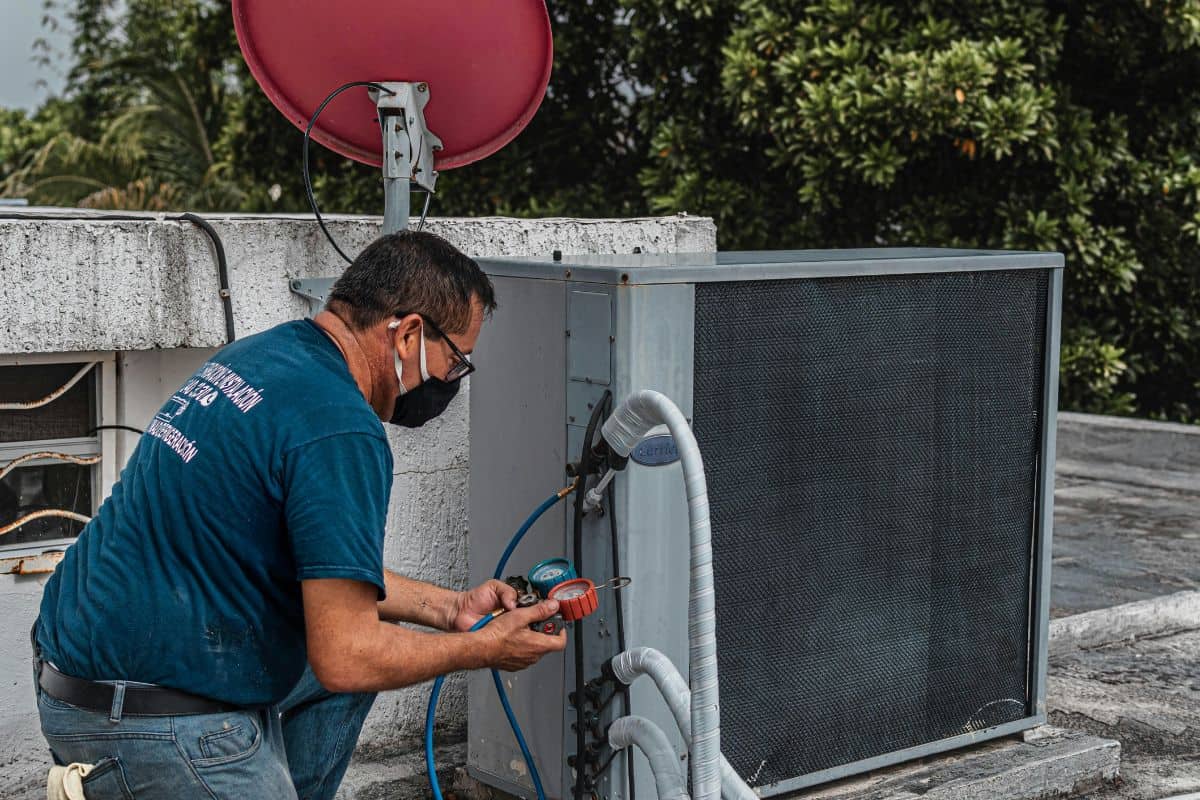
Before any contract is signed, decision-makers should examine floor area, ceiling height, sun exposure, heat-generating equipment, and fresh-air requirements. That review frames equipment size, duct routes, control strategy, and inspection needs. Many firms compare design proposals, warranty terms, and commercial HVAC installation services during this stage, because an improper match can drive operating expenses upward long after startup is complete.
Size of the Unit Matters
An oversized unit can start and stop too often, wasting power and shortening component life. An undersized system may fail during peak weather, leaving rooms humid or cold. Accurate load calculations should reflect insulation, glazing, occupancy shifts, lighting output, and internal process heat. Reliable sizing data lets contractors match capacity to real conditions, rather than broad assumptions. That discipline protects budgets and supports more consistent indoor temperatures.
Equipment Choice
Each property has different mechanical demands. A small office may perform well with a split system, while a retail site may favor rooftop equipment. Warehouses, laboratories, and mixed-use buildings often need zoning, stronger filtration, or dedicated outdoor air. Equipment choices should also reflect noise control, maintenance access, and future growth. Careful selection at this stage can reduce service burdens and improve long-range energy performance.
System Options
Split systems often suit smaller properties with straightforward layouts. They usually allow simpler installation paths, accessible service points, and dependable comfort control for routine business use. On the other hand, packaged units can fit larger buildings that need centralized control. Heat pump configurations may serve sites seeking efficient heating and cooling through one integrated mechanical arrangement.
Air Quality Counts
Temperature is only one part of system performance. Filtration, outside air intake, humidity control, and airflow balance shape occupant health and comfort every day. Poor ventilation can trap particulates, odors, and airborne contaminants inside occupied areas. Better air distribution supports concentration, customer satisfaction, and safer indoor conditions. Buildings used for food storage, medical activity, or light manufacturing often require tighter control because each setting carries distinct cleanliness and thermal demands.
Codes and Permits
Local and state rules govern equipment placement, electrical connections, ventilation rates, refrigerant handling, and safety shutoffs. Permit timing also affects the construction schedule. Business owners should confirm who will manage submissions, inspections, and closeout documents before work starts. Clear responsibility reduces delays and failed reviews. A qualified contractor should explain the applicable rules plainly and show how the proposed system will satisfy those obligations.
Contractor Selection
Commercial projects vary widely by occupancy type, building age, and operational demand, so experience carries real weight. A contractor should provide a clear scope, practical schedule, equipment rationale, and warranty details. References from similar facilities can help test those claims. Business leaders should also ask who coordinates subcontractors and startup testing. Strong project management during installation reduces change orders, avoids calendar conflicts, and improves handoff quality.
Budget Beyond Installation
Upfront price tells only part of the story. Decision-makers should weigh energy use, service intervals, expected lifespan, access to replacement parts, and downtime risk. A low bid can become expensive if efficiency is poor or support is limited. Lifecycle thinking helps teams compare options with better accuracy. That wider view often favors dependable equipment, effective controls, and a maintenance plan that protects warranty coverage over time.
Maintenance After Startup
Installation quality matters, yet long-term results depend on regular service. Filters need replacement, belts need inspection, and controls need periodic verification. Drain lines, coils, and moving parts should also be checked before minor faults spread into larger failures. Preventive maintenance helps systems run efficiently and last longer. It also lowers the chance of emergency calls, which can disrupt staff, customers, inventory, and temperature-sensitive operations.
Conclusion
Commercial HVAC installation affects far more than just indoor comfort. It shapes utility spending, air quality, equipment reliability, and the rhythm of daily operations. Businesses that assess building needs, confirm accurate sizing, compare system types, and clarify code duties make stronger decisions at the start. Careful contractor selection and planned maintenance complete that effort. With those elements in place, a new system can deliver steadier performance, fewer interruptions, and better long-term value.

Car drifting game Drift Boss lets players take a car through a set of tricky tracks and use their drifting skills to stay away from obstacles as the tracks turn and twist.