
Serious crash claims require more than an accident report, vehicle estimate, or verbal description of pain. Medical records can show when symptoms appeared, which injuries clinicians identified, and how those conditions affected ordinary activities. They also connect treatment expenses with the collision. Strong documentation gives insurers, courts, and juries a reliable basis for assessing medical costs, lost income, physical suffering, emotional harm, and future care. A consistent record often carries greater weight than unsupported statements.
After a major collision, treatment records can connect physical harm with medical care, financial loss, and lasting restrictions. A car accident lawyer in Scranton may help review conflicting dates, incomplete diagnoses, or disputed follow-up visits. Legal analysis can place those details into a clear chronology, identify missing documentation, and present losses supported by clinical findings, billing records, employment restrictions, and the claimant’s daily experience.
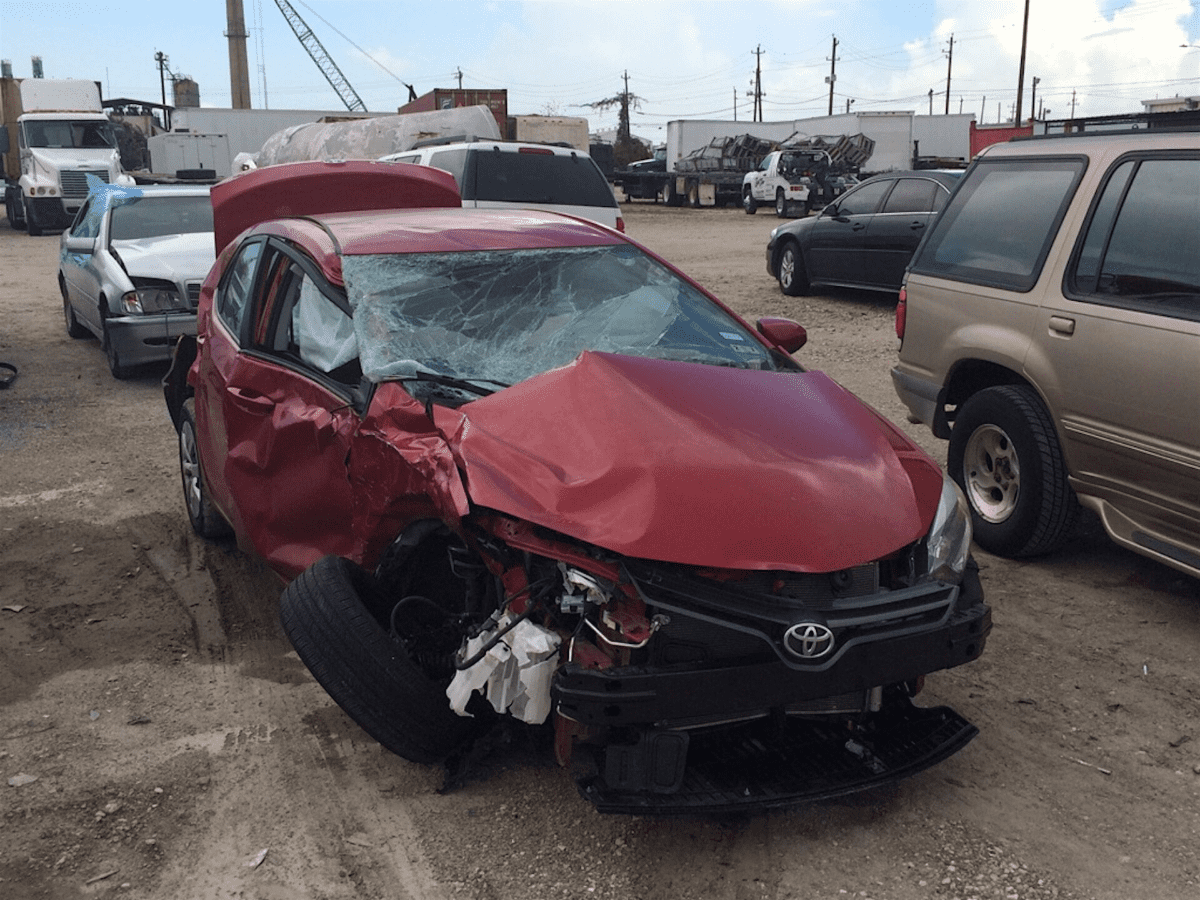
Emergency Department Records
Emergency department notes often provide the earliest formal account of crash injuries. They may record pain location, visible wounds, tenderness, restricted movement, neurological findings, and immediate treatment. These entries can show that symptoms appeared soon after impact. Ambulance reports, triage forms, medication orders, and discharge instructions may add detail about the person’s condition during the first hours.
Physician Evaluations
Primary care notes and specialist examinations can show how an injury develops over time. Clinicians may record weakness, swelling, reduced range of motion, headaches, memory changes, sleep disruption, or balance problems. Treatment recommendations also reveal the level of care required. Repeated observations carry added value when symptoms remain consistent across multiple appointments.
Treatment History
A detailed treatment history explains the care required after a collision. Physical therapy notes, occupational therapy assessments, surgical reports, and follow-up examinations may show attempts to restore movement and function. Missed visits can raise questions, so the reason should be documented. Transportation difficulties, treatment costs, worsening symptoms, or work obligations may explain interruptions.
Medication Documentation
Prescription records may support claims involving pain, inflammation, anxiety, sleep disruption, or nerve irritation. Changes in dosage can indicate improvement, inadequate relief, or worsening symptoms. Pharmacy receipts document personal spending, while medication instructions may show driving limits or activity precautions. Side effects, such as fatigue or impaired concentration, can also explain changes in work and household responsibilities.
Expert Opinions
Specialists can clarify injuries that general records leave unresolved. An orthopedist may address joint damage, while a neurologist evaluates concussion symptoms, nerve impairment, or cognitive changes. Mental health clinicians can document trauma-related anxiety, depression, or sleep disturbance. Their opinions become more persuasive when examinations, imaging, treatment notes, and reported symptoms tell the same story.
Future Medical Needs
Some collision injuries require care long after the initial claim begins. A physician may recommend surgery, injections, therapy, medication, assistive equipment, or periodic testing. Written projections can help estimate those expenses. Medical specialists and life-care planners may also describe expected treatment duration, possible complications, and assistance needed for personal care or household tasks.
Work-Related Limitations
Medical records can support lost wage claims when they describe work restrictions. Examples include limits on lifting, standing, bending, driving, or sustained concentration. Employer forms, disability notes, and vocational assessments may strengthen that evidence. Each restriction should identify the affected task, anticipated duration, and clinical reason. Clear documentation helps connect physical impairment with reduced earnings.
Daily Life Effects
Some losses do not appear on hospital invoices. Treatment notes may describe difficulty bathing, preparing meals, caring for children, exercising, sleeping, or maintaining social activities. Reports should remain consistent across appointments. Family observations, rehabilitation assessments, and activity journals can add useful detail. These materials help show how an injury changed ordinary routines beyond the examination room.
Gaps and Inconsistencies
Incomplete records can lead to questions about causation, severity, or treatment necessity. A claimant should request documents from every provider, including urgent care offices, therapists, imaging centers, pharmacies, and surgical facilities. Conflicting dates or descriptions deserve review rather than concealment. Provider corrections, addenda, or explanatory statements may clarify discrepancies while preserving the original record.
Organizing the Evidence
A well-organized file may contain a treatment timeline, provider list, billing summary, prescription record, work restriction log, and future-care estimate. Each item should include its source and date. Organized evidence makes it easier to compare symptoms with appointments, expenses, and missed work. It also reveals outstanding documents before settlement discussions, formal demands, or courtroom proceedings.
Conclusion
Medical records can give a serious crash claim structure, credibility, and measurable support. Emergency notes establish early symptoms, imaging documents physical findings, and follow-up visits show progression. Specialist opinions may address permanent impairment or future treatment. Work restrictions and daily activity reports can support broader losses. A comprehensive file should remain accurate, chronological, and consistent. Careful documentation helps present the collision’s full effect, rather than reducing the claim to a stack of medical bills.

Thank you for this insightful post! It’s crucial to understand how medical records can really bolster a serious crash claim. Just like in running games, where strategies matter for success, having the right documentation can make a huge difference in legal scenarios. I appreciate you sharing this valuable info!
I think people often underestimate how important medical records can be.