
When it comes to home improvement, selecting the right roof is a crucial decision that can impact both the aesthetics and value of your property. A new roof not only protects you from the elements but also enhances curb appeal and energy efficiency. With various roofing materials available, it’s essential to weigh the pros and cons to make an informed choice.
Understanding Roofing Materials
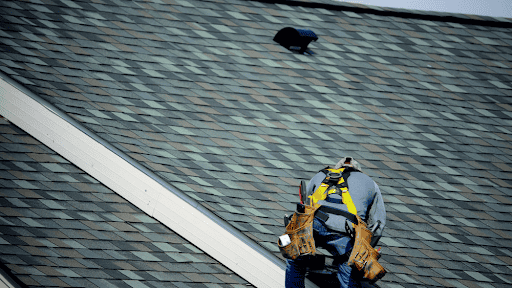
Various types of roofing materials cater to different needs and budgets. Some popular options include asphalt shingles, metal, slate, and tiles, each with unique characteristics and longevity. Enlisting the guidance of a roofing professional can help you determine the best material based on your home’s structure and climatic conditions.
Asphalt shingles remain a popular choice due to their affordability and versatility in design. However, it’s important to note that their lifespan can vary significantly, ranging from 15 to 30 years, as pointed out by experts like Bob Vila. Given this variation, regular maintenance is key to maximizing the lifespan of asphalt roofing.
While selecting roofing materials, consider the architectural style of your home. A roof should harmonize with the overall design, complementing color schemes and exterior features. Choosing a material that blends seamlessly with the rest of your home enhances both its aesthetic appeal and market value.
Evaluating Longevity and Durability
Durability is a prime consideration when selecting a roofing material, ensuring your investment stands the test of time. Metal roofs, for instance, are renowned for their remarkable lifespan, enduring between 40 and 70 years according to Forbes. This increased longevity can be attributed to their robust design, resistance to harsh weather, and low maintenance requirements.
Though initially more expensive, investing in a durable roofing solution can lead to significant savings in the long run. Fewer repairs and replacements translate into lower maintenance costs and reduced inconvenience. Additionally, durable roofs often come with lengthy warranties, providing homeowners with added peace of mind.
Resistance to environmental factors is another critical aspect of roofing durability. Choose materials that can withstand local weather conditions, be it heavy snowfall, high winds, or relentless sun. A roof that can weather such elements will inevitably lead to increased protection and reduced annual upkeep.
Environmental and Energy Considerations
In today’s eco-conscious climate, selecting sustainable roofing materials has become increasingly important. Look for materials that can be recycled or have a low carbon footprint, contributing to a more environmentally friendly home improvement. Metal roofs, for example, are highly recyclable, aligning with the increasing push for sustainable building practices.
Energy efficiency is another key factor when choosing a roof, as it can significantly impact heating and cooling costs. Light-colored roofs can reflect sunlight, reducing indoor temperatures and decreasing reliance on air conditioning. This aspect not only cuts down on utility bills but also enhances overall home comfort.
Several roofing materials come with energy-efficient coatings or designs, further improving their performance. Such enhancements can be instrumental in qualifying for green home certification or rebates, adding value to your property while mitigating environmental impact. These incentives are pivotal for homeowners focusing on both economics and energy savings.
Financial Impacts and Return on Investment
While the upfront cost of a new roof is a significant consideration, understanding the potential return on investment is crucial for economically savvy homeowners. HomeGuide reports that a new roof can increase a home’s value, offering a return on investment of 60% to 85%, depending on the material chosen. This makes it a compelling home improvement project for those looking to enhance property value.
Financing options for roofing projects vary, and exploring these can aid in making the installation more affordable. Options include personal loans, home equity loans, or special financing from roofing contractors. Taking advantage of these can help manage costs effectively while spreading out payments.
Consider future cost savings when evaluating the investment in a new roof. A well-selected and properly installed roof can minimize energy costs and require less frequent repairs, leading to reduced expenses over its lifespan. These factors combine to present a compelling case for prioritizing quality in your roofing choice.
Final Considerations
Ultimately, selecting a new roof involves balancing cost, aesthetics, durability, and efficiency. It’s vital to research and consult experts to make an informed decision that suits your specific needs and budget. A carefully chosen roof can enhance your home’s value, comfort, and environmental footprint.
The integration of modern roofing technology and sustainable materials enriches the overall quality of roofing projects. As homeowners strive for greater energy independence and environmental responsibility, investing in top-tier roofing solutions will be a step towards those goals. Emphasizing energy efficiency not only contributes to cost savings but also offers long-term benefits for the planet.
Incorporating a new roof is a significant home improvement undertaking, carrying the potential to transform the appearance and functionality of your property. Through thoughtful selection and proper installation, homeowners can enjoy increased property value and long-lasting peace of mind. With numerous factors to consider, approaching the decision with careful planning and informed insights can lead to a successful roofing project.
