
Raising a responsible child isn’t about expecting them to have everything figured out from an early age. Responsibility develops gradually through everyday experiences, conversations, and opportunities to make decisions. Children learn by watching the adults around them, trying things for themselves, making mistakes, and understanding how their choices affect other people.
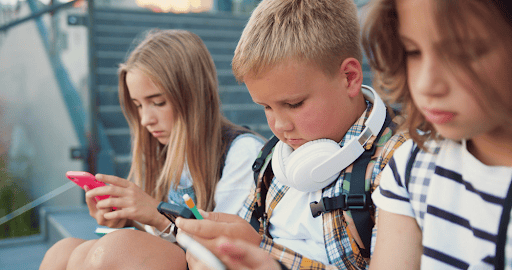
Parents can help build these skills long before children are old enough to drive, work, or live independently. Teaching children how to communicate, follow through on commitments, make thoughtful choices, and recognize consequences can give them practical tools they’ll continue using as they grow. The goal isn’t to create perfect kids. It’s to help them become capable young people who can eventually handle more responsibility on their own.
Encourage Communication and Curiosity
Communication is one of the first skills children begin developing, and it continues to evolve throughout childhood. Learning how to express feelings, ask questions, listen to others, and explain ideas can help children navigate relationships at home, at school, and eventually in the workplace.
Language provides an especially interesting example of how people can communicate differently while still sharing many of the same basic needs and experiences. According to Social Sci LibreTexts, recent estimates indicate that approximately 7,000 languages are spoken around the world across 196 countries. Children don’t need to learn thousands of languages to benefit from understanding that different ways of communicating exist.
Parents can encourage curiosity by exposing children to books, music, stories, and conversations involving different cultures and languages. Learning even a few words in another language can introduce children to unfamiliar sounds and perspectives. It can also encourage them to ask questions rather than assuming that everyone experiences the world in exactly the same way.
At home, parents can make communication part of ordinary routines. Ask children about their day and give them opportunities to explain what happened rather than immediately providing solutions. When children have disagreements with siblings or friends, encourage them to explain their perspective and listen to the other person’s point of view.
As children get older, effective communication becomes increasingly important. They may need to communicate with teachers, coaches, employers, friends, and other adults. Giving them opportunities to practice those skills early can make those future interactions feel more manageable.
Give Kids Real Opportunities to Be Responsible
Children can’t learn responsibility solely by being told to “be responsible.” They need opportunities to practice it. That might mean putting toys away, feeding a pet, preparing part of a meal, keeping track of school assignments, or remembering to bring something they need when leaving the house.
The appropriate responsibility depends on the child’s age and abilities. Younger children might handle simple household tasks, while older children can gradually take ownership of more complicated responsibilities. What matters is giving children a reasonable role and allowing them to understand what happens when they follow through or don’t.
According to Gitnux, 89 percent of parents believe that their primary task is teaching their children to be responsible. That responsibility can be developed through countless small interactions rather than one major lesson.
Parents can help by setting clear expectations. If a child is responsible for feeding the family pet, for example, they should understand when the task needs to happen and why it matters. Adults can provide reminders initially, then gradually step back as the child becomes more capable.
Responsibility doesn’t mean children should be expected to handle adult problems. Parents still provide guidance, boundaries, and support. The objective is to gradually increase independence while giving children a safe environment in which to learn.
Teach Kids to Think About Consequences
One of the most important parts of growing up is learning that choices can have consequences. Children encounter this concept in simple ways at first. Staying up too late can make them tired the next day. Forgetting homework can mean less time for other activities. Breaking a rule can result in losing a privilege.
As children become teenagers, however, the potential consequences of their decisions can become much more significant. Parents can prepare them by talking about safety and encouraging them to consider what could happen before making a choice.
Driving is a particularly important example. Kentucky and Tennessee are among the 39 states that have laws prohibiting texting while driving. Rules like these illustrate that responsible behavior isn’t simply about avoiding punishment. A driver’s decision to look at a phone can affect passengers, pedestrians, cyclists, and other motorists.
Parents can begin teaching this type of thinking before children ever have access to a vehicle. When discussing everyday decisions, ask questions such as, “What do you think could happen?” or “Who could this affect?” These questions encourage children to look beyond the immediate outcome.
The same approach applies to online behavior, friendships, school decisions, and eventually employment and finances. Responsible people don’t always make perfect choices, but they learn to pause, gather information, and consider how their decisions could affect themselves and others.
Raising responsible kids is a gradual process. Give children room to practice, let them learn from manageable mistakes, and keep the conversation going as they grow.
