
A GLP-1 plan can reduce appetite, change meal timing, and make large portions uncomfortable. Protein powder helps people meet their protein needs when regular meals feel difficult, but the right choice depends on tolerance, nutrition goals, and daily intake. A useful product should provide meaningful protein without excessive sugar, fat, or volume. The selection process starts with understanding how GLP-1 medicines affect eating habits and recovery needs.
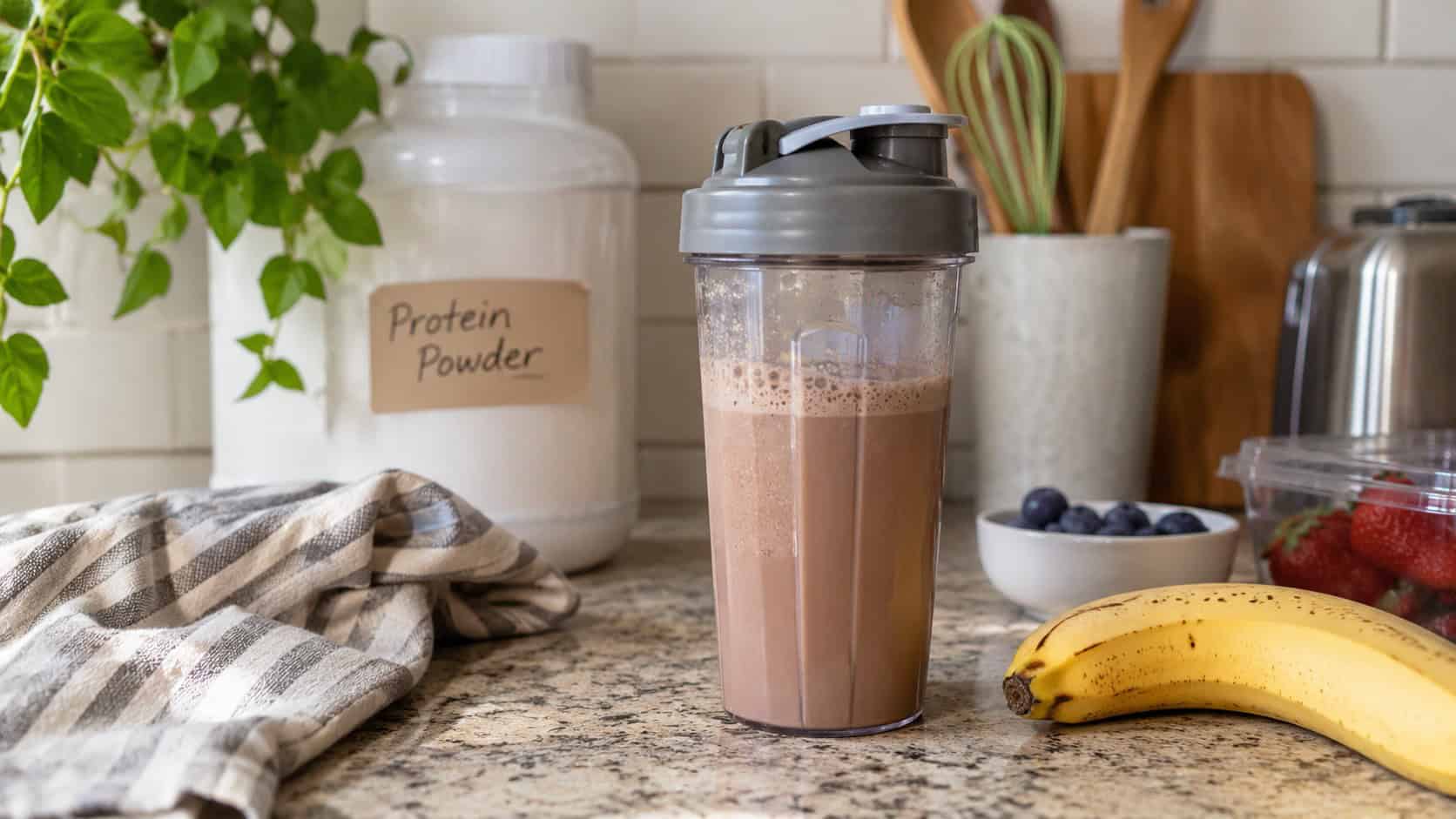
Start With Protein Per Serving
A practical protein powder should provide enough protein to justify its calories and serving size. Many adults need individualized targets based on body size, age, activity level, medical status, and dietary goals. A registered dietitian can establish an appropriate daily target, especially during weight-management treatment.
The best protein powder for glp-1 should complement your overall diet and not replace an essential food item. A serving that contains about 20 to 30 grams of protein fits many snack or meal-support situations. The label matters more than the scoop size because serving weights vary between products. Check the protein amount, calories, carbohydrates, fat, and added sugar before comparing options.
Protein quality also matters. Whey, milk protein, egg protein, and soy protein provide all essential amino acids. Plant-based powders can work well, but blends that combine sources often provide a broader amino acid profile than a single plant ingredient.
Match the Powder to Digestive Tolerance
GLP-1 medicines slow stomach emptying and often cause nausea, early fullness, constipation, or reflux. A thick shake, large serving, or high-fat formula can worsen discomfort for some people. A lower-volume powder mixed with water often works better than a calorie-dense shake.
Lactose also deserves attention. Whey protein concentrate contains more lactose than whey protein isolate, while a lactose-free formula avoids that concern. People with milk allergies need a dairy-free option, such as a carefully formulated soy or pea blend.
Sweeteners and sugar alcohols can cause bloating or loose stools in sensitive individuals. A short ingredient list makes it easier to identify a problem ingredient. Starting with half a serving helps assess tolerance before using a full portion.
Check Timing and Daily Use
Protein powder does not need to replace every meal. It works best as a convenient supplement when a person cannot reach a protein target through ordinary food. A small shake can fit between meals, after exercise, or during a period of low appetite.
Spacing protein across the day supports more consistent intake than saving most protein for dinner. Someone who eats very little at breakfast might use a shake earlier, then choose eggs, yogurt, fish, poultry, tofu, or beans later. Fluids also matter because a powder does not replace the hydration needs that accompany a GLP-1 plan.
People who exercise should also consider recovery habits. Protein supports muscle repair, while resistance training helps preserve muscle during weight loss. A powder can support that routine, but it cannot replace adequate calories, sleep, or a medically supervised treatment plan.
Consider Supporting Ingredients Carefully
Some powders include digestive enzymes, fiber, vitamins, minerals, or herbal ingredients. Those additions can affect tolerance and total intake. Fiber deserves particular care because a sudden increase can worsen gas or constipation, especially when fluid intake remains low.
Bromelain is a proteolytic enzyme discussed in relation to digestion, inflammation, and exercise recovery. Its effects depend on enzyme activity, dose, timing, and product form. People researching how long bromelain takes effect should separate digestive effects from recovery-related outcomes. Digestive effects can occur the same day, while soreness and soft-tissue support require different timelines. Anyone taking blood-thinning medication or managing a medical condition should ask a clinician before adding bromelain.
A simple protein powder often makes evaluation easier. If a formula contains several active ingredients, you might struggle to identify which one caused nausea, bloating, or another reaction.
Read the Label for Hidden Calories
A protein powder can support a GLP-1 plan while still adding more calories than expected. Mass-gainer formulas, nut butters, oils, and large amounts of carbohydrate can turn a small shake into a full meal. That approach may suit someone with higher energy needs, but it doesn’t fit every weight-management goal.
Compare the serving size with what you usually consume. If you use two scoops, calculate the total protein, calories, sugar, and fat rather than relying on the front label. Also check whether the powder includes stimulants, since caffeine can worsen nausea, reflux, or sleep problems for some users.
Conclusion
The best protein powder for a GLP-1 plan provides an appropriate protein dose, fits digestive tolerance, and adds manageable calories. Whey isolate, a dairy-free blend, or another complete protein source can work when its ingredients suit the individual. Next, compare labels, choose a modest serving, and track tolerance for several days. A dietitian or prescribing clinician can then adjust protein targets and timing based on progress, symptoms, and training demands.
