
Your dog knows the routine better than anyone. They know which jacket means a walk, which hook holds the leash, and exactly where to stand when you get home. So, when you start thinking about adding a second dog, it makes sense to start with the one who already lives there.
A second dog can bring a lot of joy, plus a built-in playmate. It can also shake up a world your first dog has had to themselves. A little planning before the new dog arrives makes the transition smoother for everyone, especially the dog who was there first.
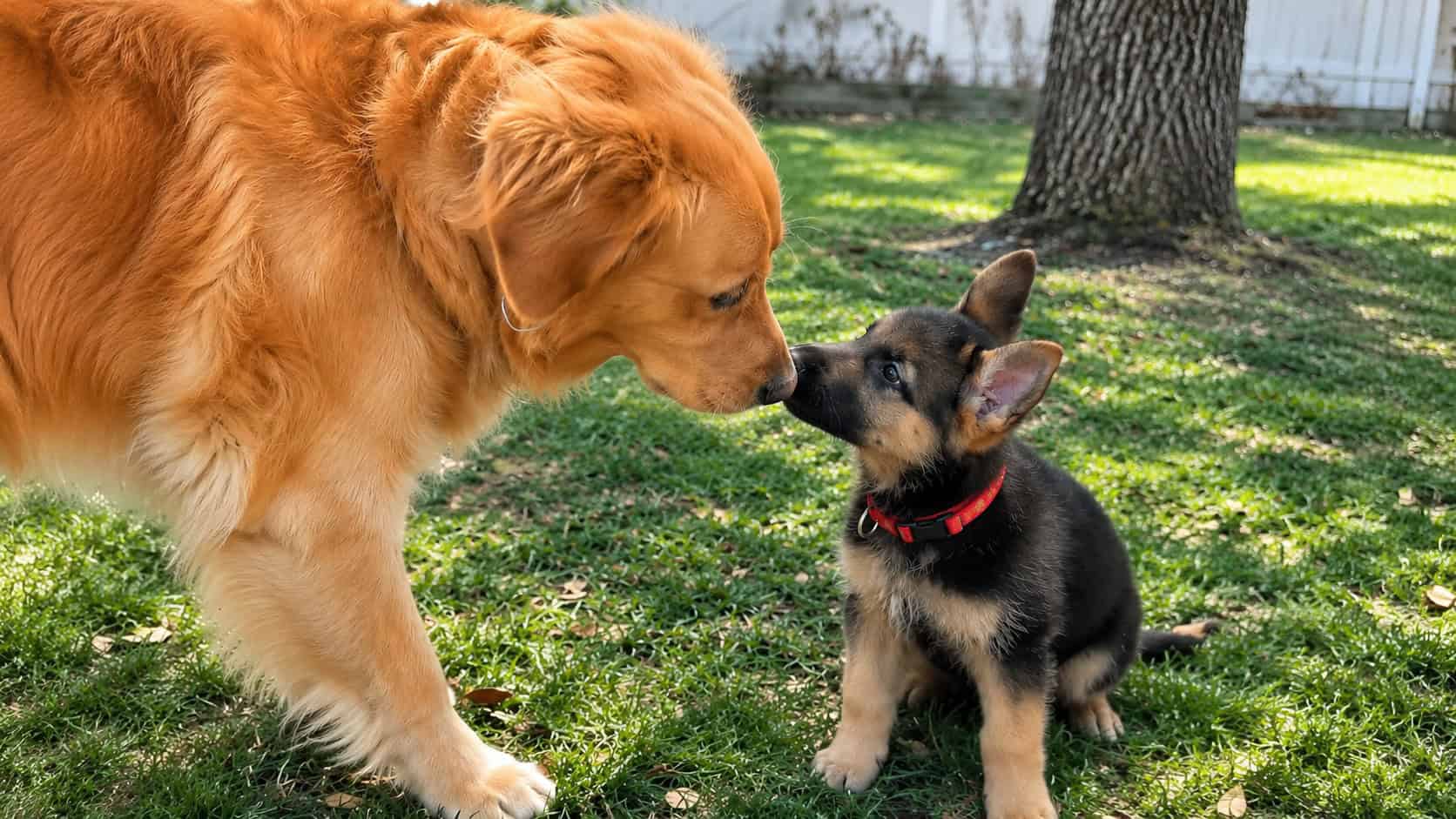
Start With the Dog You Already Have
Before you fall for a cute face on a rescue site, take an honest look at your current dog. How do they act around other dogs on walks or at a friend’s house? Do they like to play, or do they prefer to watch from a distance?
VCA Animal Hospitals recommends weighing your resident dog’s health, activity level, and personality before adding anyone new. A quiet, shy dog may find a bouncy puppy overwhelming. A senior dog who naps most of the afternoon might do better with a calmer adult than a young dog who wants to wrestle all day.
Matching energy levels won’t guarantee a friendship, but it gives the two of them a much better starting point.
Plan the First Meeting Away from Home
Your house and yard feel like your dog’s territory. Meeting a stranger there can put them on the defensive. That’s why the ASPCA suggests making the first introduction in a neutral spot, like an open area of a park, with one person handling each dog.
Keep the leashes loose and the first greeting short. Then go for a walk together. Walking side by side takes the pressure off, since both dogs can sniff around instead of staring at each other.
Before the new dog comes home, pick up anything your first dog might not want to share. Food bowls, favorite toys, chews, and beds are common sources of tension in the early days. You can bring them back out once the dogs are comfortable together.
Give Your First Dog Room to Adjust
Even a friendly, easygoing dog can feel thrown off when a newcomer moves in. Keep your first dog’s routine as steady as you can. Meals, walks, and bedtime should happen at the usual times, so the biggest change in their life is the new roommate and not everything else.
Each dog should have their own bed, crate, and bowl. Feeding them in separate rooms or several feet apart helps head off squabbles. For the first few weeks, supervise every interaction, and don’t leave them alone together until things have stayed relaxed for a while.
Protect Your One-on-One Time
One of the easiest things to overlook is how much your first dog is used to having you to themselves. Now there’s someone else on the couch, someone else at the door, and someone else getting belly rubs.
Set aside a little time each day for just the two of you. A solo walk, a short training session, or a quiet game of fetch in the yard all count. This helps your first dog feel secure, and it also helps the new dog bond with you instead of only with the other dog.
Watch for signs your first dog feels left out. They might push between you and the new dog, follow you from room to room, or pull away and spend more time alone. Extra attention and patience usually go a long way.
Some owners also look for extra ways to support their first dog’s mood through a big change like this. CBD for dogs has become a common addition to daily calming routines, and many products are now formulated specifically for pets with hemp-derived CBD. These products usually work best when given consistently, so some owners start a few weeks before the new dog arrives. Talk with your veterinarian before adding any new supplement to your dog’s routine.
Read the Room as They Get to Know Each Other
Dogs communicate a lot with their bodies. Loose, wiggly movement, play bows, and taking turns chasing are good signs. Stiff posture, a long hard stare, raised hackles, or growling mean it’s time to calmly call them apart and give everyone a break.
Don’t let them “work it out” on their own if things get tense. Interrupting early keeps small disagreements from turning into a pattern. If tension keeps coming back, a certified trainer or your veterinarian can help you figure out next steps.
Most dogs settle in over a few weeks, though some take longer. Small wins add up, like sharing a sunny spot on the floor or walking nicely side by side.
Making Room for Two
Bringing home a second dog works best when you plan around the dog you already have. Think about their personality, introduce the dogs somewhere neutral, keep routines steady, and protect your one-on-one time. With patience and a little preparation, your first dog can go from wary to welcoming, and your home can make room for two.
