
As children on the autism spectrum age, many families seek professional resources. Living with mental health challenges is difficult, so when the mind revolts, pediatric occupational therapy clinics can offer specialized support to address various issues. Children can develop skills for activities of daily living at these centers. The sooner the families seek this kind of support, the better it is for children on the autism spectrum. Knowing how these clinics can help allows parents and caregivers to make sound decisions.
Personalized Assessment
Each child’s needs are unique, and qualified pediatric occupational therapy clinics understand this. Experts begin with a thorough evaluation to determine strengths and struggles. A comprehensive picture is built based on the observations, results from standardized tests, and dialogue with caregivers. Since it is purely based on the individual, recommendations are child-specific. Individualized plans allow therapists to tailor interventions. There can be no meaningful progress without an accurate evaluation.
Skill Building Activities
Pediatric occupational therapy clinics are goal-oriented, and therapists introduce activities aimed at specific goals. These might involve tasks that target fine motor skills, such as improving the child’s pencil grip or prompting them to use utensils during meals. Gross motor activity can help with strength and coordination. Sensory activities enable children to experience a variety of textures, sounds, or movements. The more they practice these skills, the more confident they become. Repetition is conducive to mastery in the long term.
Promoting Independence
One of the most important goals of occupational therapy is encouraging self-sufficiency. Daily routines like dressing, feeding, or brushing teeth are practiced in safe environments. Strategies range from simplifying tasks to breaking them down into smaller steps. Visual cues and adaptive tools can be used to aid learning. Children try when they receive encouragement and positive reinforcement. Slow and steady often wins the independence race.
Supporting Social Participation
It can be hard to make friends and join group activities for children on the autism spectrum. Clinics organize group sessions to promote social growth. Kids practice sharing, turn-taking, and talking to other people. Role-playing and cooperative games facilitate growth. Therapists share feedback to guide children and their families and improve social interactions further. These experiences help establish a foundation for successful community engagement and involvement in later years.
Family Involvement
A key component of this therapy is working with caregivers as partners. Families learn to support progress at home. Simple workouts or exercises could be added to the child’s daily routine at home. Parents offer encouragement and the right tools to help their children practice skills outside of sessions. Keeping everyone updated enables growth just as much as working with families leads to better outcomes.
Addressing Sensory Challenges
Certain sounds, sights, or textures may provoke an extreme response in some children. These responses are managed by therapists. They set up stimuli progressively, which lets children develop an adaptive response to whatever they find overwhelming. They demonstrate to families that anxiousness can be reduced using calming strategies or structured routines. A space that fosters exploration allows children and their families to feel supported. With time, children become familiar with new sights, things, smells, and so on.
Adapting to School Environments
School can be challenging for some children. Therapists partner with teachers to build supportive classrooms. These include changes in seating or tasks, or arranging special equipment. When teachers are trained about the needs of a child, they can participate and ensure consistency. Communication between clinics and schools reinforces the support system. This collaboration supports both academia and social success.
Monitoring Progress
Regularly checking goals and changing plans as needed is a common part of the therapy process. Celebrating achievements motivates everyone involved. When a method works, the detailed records can help recognize both gains and potential challenges. Ongoing progress tracking allows therapists and families to modify interventions and support systems. Through such measures, families can see measurable outcomes over time.
Encouraging Play-Based Learning
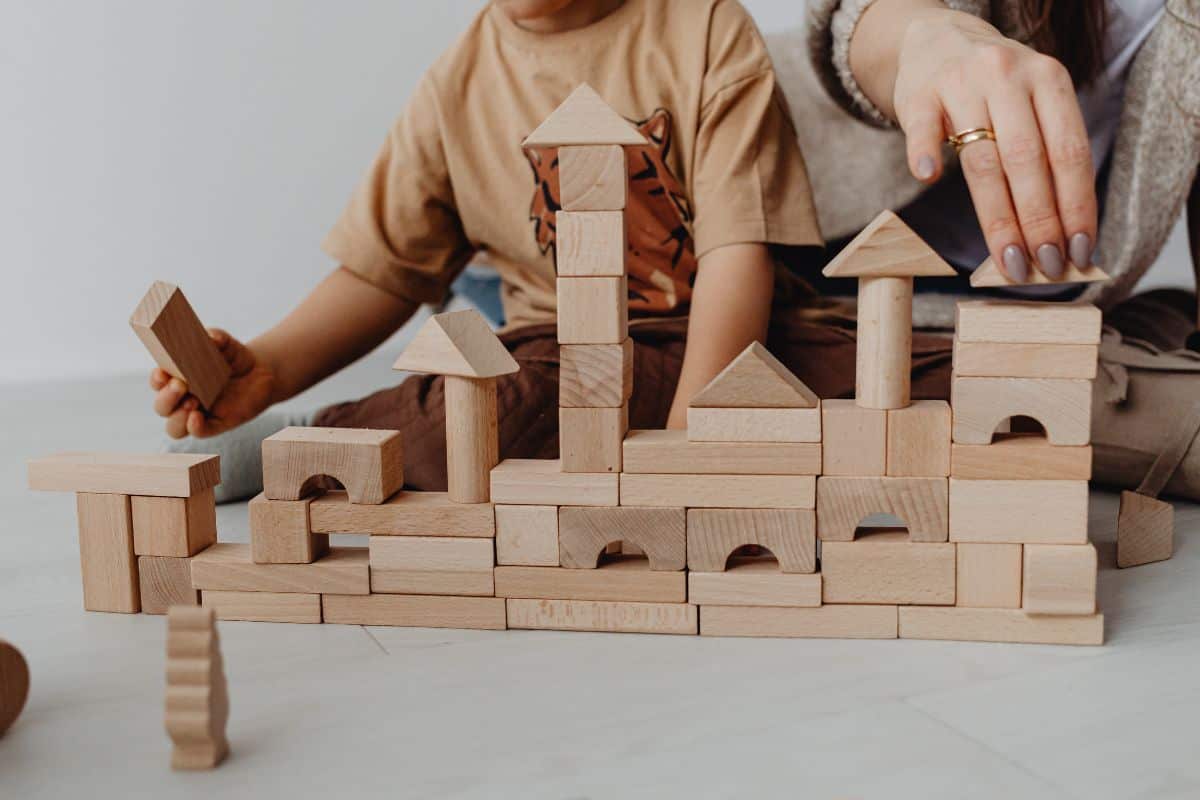
Play-based learning is the foundation of pediatric therapy. Games with structure and those that require a degree of imagination impart skills that are useful in life. Play develops children’s problem-solving skills, creativity, and collaboration. Therapists modify games to fit developmental stages. Play-related tasks usually decrease stress, which makes things easier, and the task becomes fun. This motivates children to try. By adopting a play-based approach, therapists encourage children to eagerly participate in various activities.
Conclusion
Development is an essential part of life, and pediatric occupational therapy clinics assist with this process. They prepare children by teaching them the skills they need to thrive. They start with a detailed assessment, employ targeted activities, promote family engagement, and offer social-emotional support. Pediatric occupational therapy clinics give anxious families hope and a solid plan of action. Children achieve each new developmental milestone with help and guidance, which prepares them for greater independence. This way, every child can reach their potential with the help of qualified therapists.
