
A healthy smile is shaped in the margins of your day, in habits so routine they’re easy to overlook or rush through.Most people brush and floss, sure, but technique and timing tend to drift without much thought. Guidance from a Berwick dental clinic often brings those small details back into focus, turning basic routines into something far more effective.
With a few refinements, daily care starts to feel less like maintenance and more like an investment in long-term comfort and confidence.
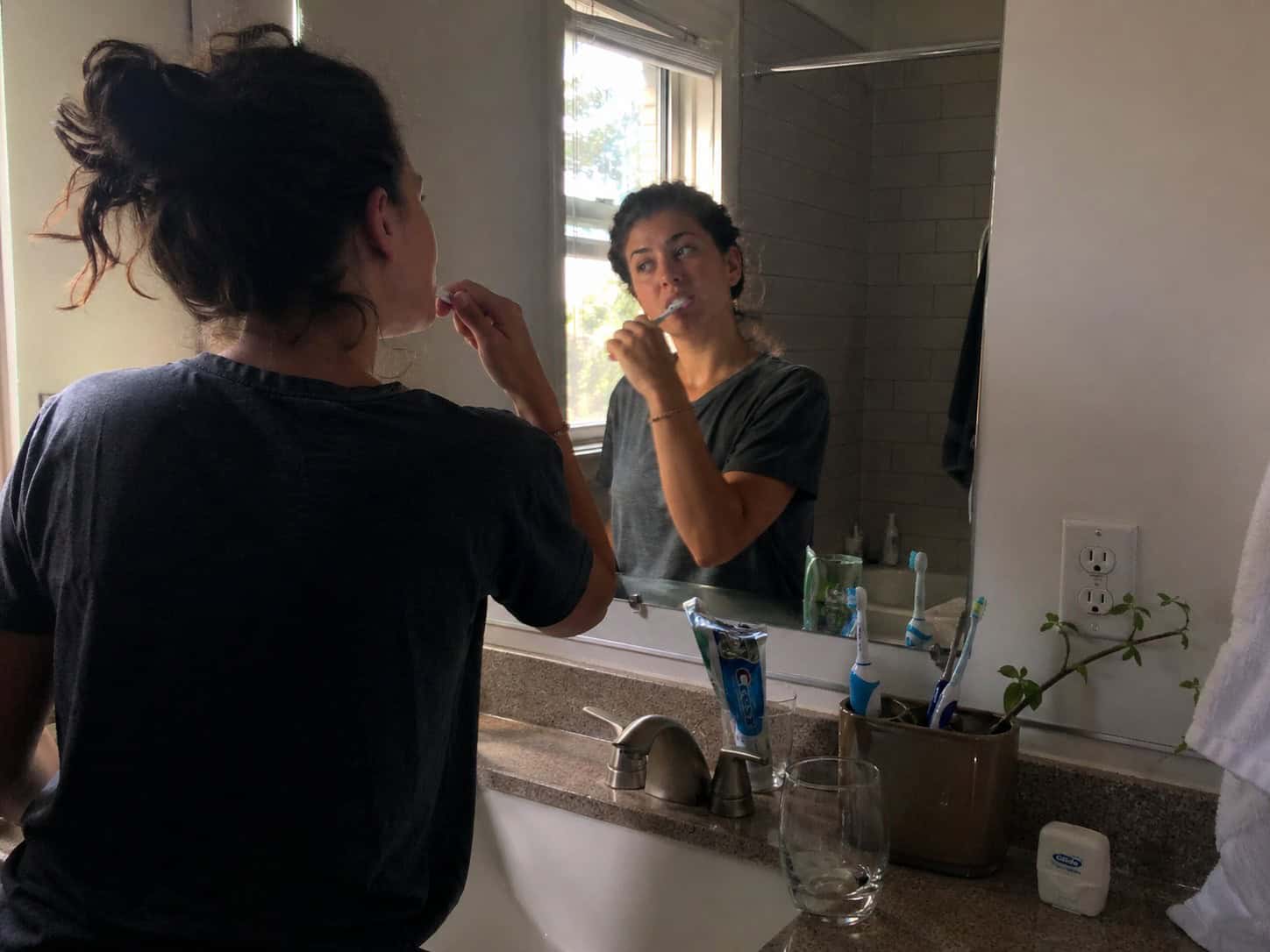
Getting The Basics Right Without Overdoing It
Brushing looks simple on the surface. Two minutes, twice a day, done. Yet a surprising number of people lean too hard into it, scrubbing as if they’re trying to polish away every trace. That’s where things start to go sideways.
Gums don’t respond well to force. Neither does enamel. A lighter touch, paired with a slight angle toward the gumline, does a better job without leaving a trail of irritation behind. It feels counterintuitive at first. Less pressure, more control. But once it clicks, the difference is obvious, especially for anyone who’s dealt with sensitivity creeping in over time.
Why Cleaning Between Teeth Changes Everything
Toothbrushes handle the obvious surfaces. The tricky areas sit just out of reach, tucked between teeth where food and bacteria settle in and linger. That’s where most problems begin, gradually building until something feels off. Flossing, or using interdental brushes, interrupts that cycle before it gains momentum. It’s less about reacting to discomfort and more about preventing it altogether.
Consistency matters more than the tool itself. Some prefer traditional floss, others find small brushes easier to manage. Either way, making it part of the nightly routine shifts it from an occasional effort to something automatic, like locking the door before bed.
Know How Food And Drink Affect Your Teeth
Diet plays a bigger role than we often realise, and it goes beyond the usual warnings about sugar. Acidity is just as influential, sometimes more so.
Every sip of a soft drink or bite of citrus lowers the mouth’s pH, softening enamel for a short window. Brush too soon, and you risk wearing that surface down while it’s vulnerable. Wait a little, rinse with water, let saliva do its job. Small timing tweaks, nothing dramatic.
Snacking patterns can also affect your dental health. Constant grazing keeps the mouth in a near-continuous acidic state, which doesn’t leave much room for recovery. Spacing meals out gives your teeth a chance to rebalance naturally.
What Regular Check Ups Reveal About Daily Habits
Appointments tend to get framed as problem hunting. In reality, they’re more like a reset. A second set of eyes picks up patterns that are easy to miss at home.
Early signs of grinding, for example, often show up as slight wear along the edges of teeth. Jaw tension can leave its mark as well, sometimes without any obvious pain. Catching those signs early opens the door to simple fixes before things escalate.
It also helps refine technique. A quick adjustment here, a reminder there. Nothing complicated, just small corrections that keep everything on track for the months ahead.
Turning Small Adjustments Into Lasting Routine
Good dental habits settle in gradually, shaped by repetition rather than intention alone. That’s why small, manageable shifts tend to stick. Switching to a softer brushing style. Making interdental cleaning non-negotiable.
Being a bit more mindful about when you reach for a snack or a drink. Each one feels minor on its own, but together they build a steady routine that supports long-term oral health. It’s less about chasing perfection and more about staying consistent, even on busy days when routines feel easy to skip.
Final Thoughts
The fundamentals of good dental health are straightforward, yet the way they’re carried out makes all the difference. When brushing is gentle but thorough, when those in between spaces are properly cleaned, and when diet is handled with a bit more awareness, the payoff is fewer surprises, less discomfort, and a sense that things are under control.

I really liked how this article focused on the little everyday habits that people usually ignore, because those small changes really do make a big difference for your teeth over time.
Great tips on mastering small habits at the dental clinic! Regular check-ups and proper brushing really do make a difference. I particularly liked your point about maintaining a good flossing routine—it’s so easy to overlook! Have you noticed any specific habits that lead to better patient outcomes?