
A common belief among parents is that real learning kicks off in kindergarten. Yet by age five, close to 90% of a child’s brain has already taken shape, according to research from the National Institutes of Health. The years leading up to kindergarten are not preparation for the starting line; they are the race itself. Across fast-growing Texas communities, pre-kindergarten enrollment continues to be on the rise. So the conversation has shifted. It is no longer about whether preschool matters, but how much a child misses without it.
How Young Brains Grow Before Kindergarten
During the first few years of life, a child’s brain forms over one million new neural connections each second, and every one of those connections affects language, memory, and emotional regulation.
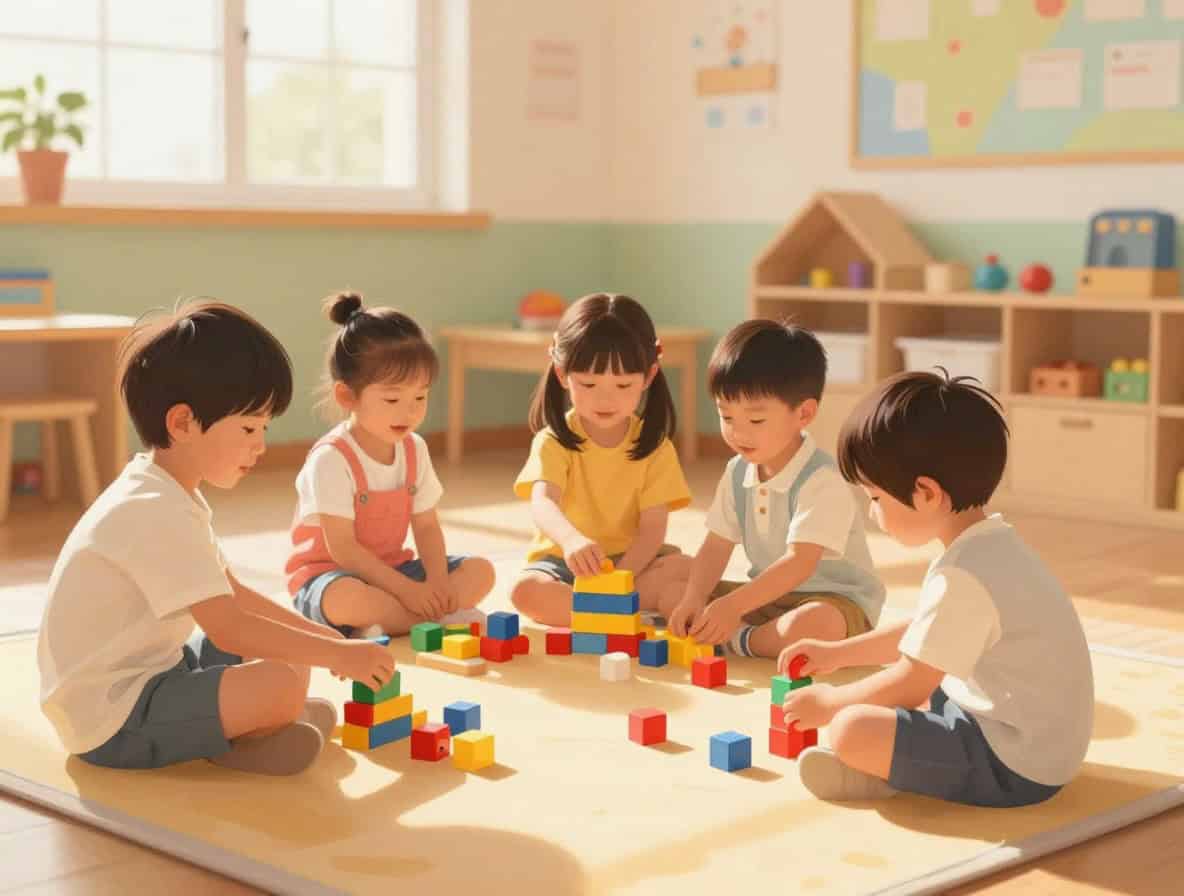
Preschool classrooms offer consistent, structured moments for these connections to take root through stories, songs, movement, and hands-on exploration. A child who hears varied vocabulary each day, sorts objects by number, and follows group routines is actively strengthening pathways for reading and math. Families looking into a preschool in Frisco should seek programs that pair academic instruction with sensory-rich activities, because that pairing matches how young brains take in and hold onto new information.
Building Social and Emotional Skills Early
Academic preparation draws the most attention, but social and emotional growth holds equal weight. Children who manage impulses and cooperate with classmates stay engaged in learning activities for longer stretches. Sharing, waiting for a turn, and working through frustration are skills preschool reinforces through guided, repeated practice.
Preschool gains in emotion understanding, problem-solving with peers, and positive social behavior tend to carry over into stronger academic and behavioral adjustment once children reach kindergarten. These are not passing habits. They are patterns that help children form friendships, pay attention to instruction, and stick with challenging tasks long after preschool is over.
Kindergarten Readiness Goes Beyond ABCs
Kindergarten teachers expect children to remain seated, follow multi-step directions, and collaborate on group projects from the very first week. Children who arrive without these abilities often spend the initial months catching up instead of absorbing new material.
Strong preschool programs close that gap before it opens. They introduce letter recognition, phonics, number sense, and early writing through age-appropriate activities rather than rigid worksheets. When kids are enrolled in such robust programs with research-backed curricula, it strengthens both their thinking skills and social foundations well before kindergarten begins.
The Long-Term Payoff of Early Education
The returns from preschool reach far past the kindergarten door. Every dollar invested in early childhood education has the potential to generate better returns, largely through higher lifetime earnings, as per America’s Health Rankings. Children who attend quality programs also show lower rates of teen crime and higher rates of high school completion, according to the 2025 report from America’s Health Rankings.
A 2025 study published in Frontiers in Psychology reinforced that a child’s social abilities during preschool are closely linked to school readiness, academic success, and self-regulation. These connections do not fade after elementary school. They shape college participation, job stability, and personal well-being deep into adulthood.
What to Look for in a Preschool Program
Not all preschool programs produce the same results. Parents should prioritize small class sizes, qualified educators, and accreditation from respected organizations such as the National Association for the Education of Young Children. Programs that weave structured academics together with creative play, outdoor time, and social-emotional learning tend to provide the most complete foundation.
It also helps to ask about daily schedules, curriculum sources, and how teachers measure each child’s progress. A program worth enrolling in will welcome those questions and offer clear, specific answers about its approach to kindergarten preparation.
Closing Thoughts
The first five years of a child’s life build the brain architecture, personality traits, and learning habits that carry through school and into adulthood. Preschool transforms that brief window into a focused opportunity, giving children the vocabulary, emotional awareness, and social confidence they need before kindergarten starts. For families considering this step, the evidence clearly points to one thing: children who begin structured learning early, with trained teachers in a quality setting, hold onto that head start.
