
Gift-giving is personal, and the most memorable presents carry a sense of intention that goes deeper than a price tag. Artisan jewellery fits that description in ways mass-produced accessories simply cannot match. Every handcrafted piece reflects the skill behind it, the quality of materials chosen, and a design approach grounded in care rather than speed. Whether the occasion is a birthday, an anniversary, or a hard-earned milestone, handmade jewellery speaks to the recipient on a different level. It says that real thought and genuine attention shaped the decision.
What Sets Handcrafted Jewellery Apart
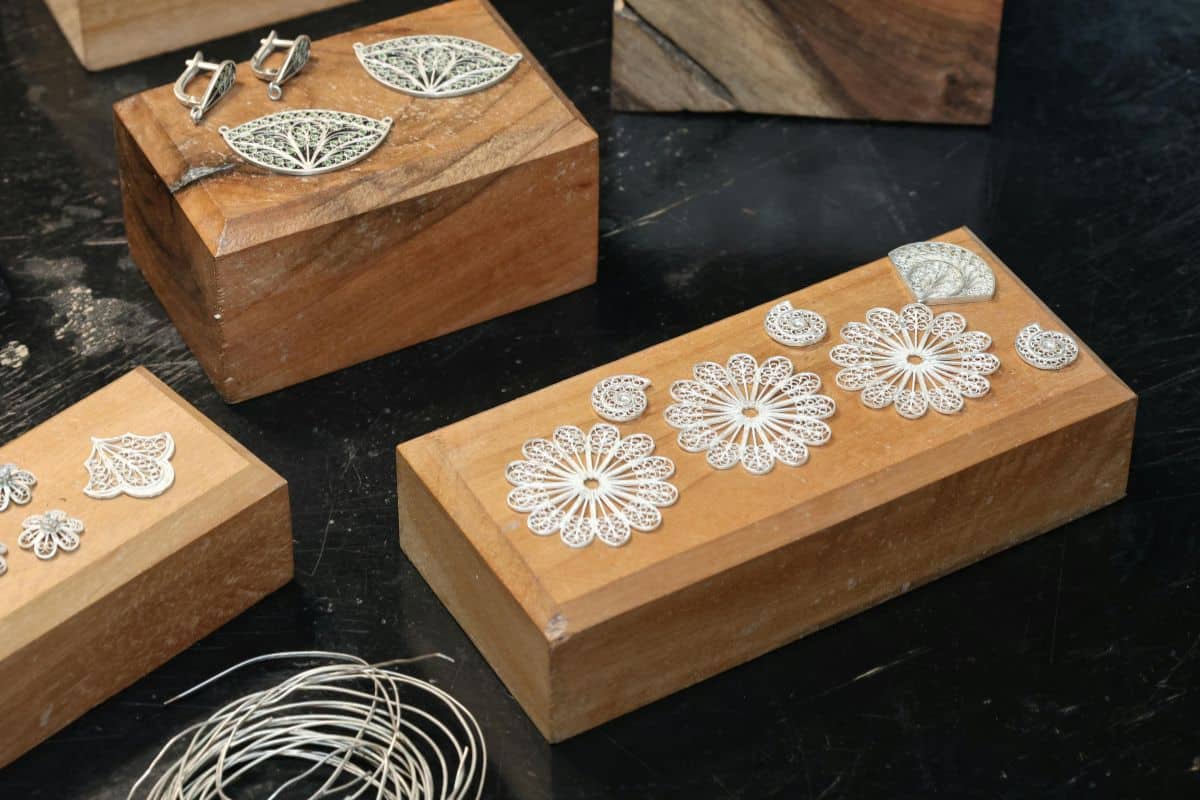
The gap between artisan and factory-made jewellery begins at the workbench. Mass production depends on moulds, automated casting, and uniform finishes applied at scale. Handcrafted pieces follow an entirely different path. A jeweller works metal by hand, sets each stone individually, and applies finishing touches under direct, personal oversight.
Producers built around this ethos, like Arms of Eve jewellery, show how artisan techniques translate into distinctive, wearable designs. Their collections are grounded in original craftsmanship and considered material choices, delivering the kind of character that assembly-line production rarely captures. That difference becomes apparent in the texture, the weight, and the fine detailing of every completed item.
Limited production runs add another dimension. A handcrafted necklace or ring is unlikely to show up on several other people at the same event. For anyone choosing a gift, that rarity brings an added layer of thoughtfulness that recipients genuinely value.
The Emotional Weight of a Handmade Gift
Gifts carry meaning well beyond their physical form. Consumer psychology research consistently shows that recipients place higher value on presents when they sense personal effort behind the selection. Artisan jewellery signals precisely that kind of care. Selecting a handmade piece means browsing smaller, curated collections and choosing something aligned with the recipient’s taste, rather than defaulting to a mass-market bestseller.
A tactile difference exists too. Handcrafted items feel distinct when held. Slight variations in surface texture, a gemstone positioned at an unexpected angle, or a clasp finished with visible attention all create a sensory experience that machine-produced accessories seldom provide.
Those quiet details give each piece its own narrative. The person wearing it carries something shaped by a real maker’s skill and creative intent, not stamped out on a production floor.
Material Quality and Longevity
Artisan jewellers are typically deliberate about what they work with. Sterling silver, solid gold, responsibly sourced gemstones, and natural pearls appear frequently in handcrafted collections. Mass-market accessories, by comparison, often rely on plated metals and synthetic stones to maintain lower price points.
Why Better Materials Matter for Gifting
A present meant to mark a significant occasion should hold up over the years. Plated jewellery begins losing its finish within months of regular wear. Solid metals and genuine stones age differently; sterling silver, for instance, develops a warm patina over time and responds beautifully to simple polishing.
Superior materials also lower the chance of skin reactions. Nickel allergies affect a meaningful percentage of the population, and cheaper alloys frequently contain this irritant. Artisan producers who select hypoallergenic metals eliminate that risk entirely, making their work safer for those with sensitive skin.
Versatility Across Occasions
One of the practical advantages of artisan jewellery is its breadth. Handcrafted pieces suit formal celebrations and quieter personal milestones equally well. A pair of hand-forged gold earrings feels right for a wedding anniversary. A textured silver bangle makes a thoughtful gift for a recent graduate.
Personalisation Options
Many independent jewellers offer engraving, custom stone choices, or bespoke sizing. These services let gift-givers add a personal dimension that standard retail products cannot replicate. An engraved date along the inside of a band, or a birthstone selected specifically for the recipient, turns the piece into something uniquely theirs.
This flexibility also helps when shopping for someone whose style preferences are not entirely clear. A minimalist pendant works across most aesthetics, while a bold cuff speaks to more adventurous tastes. Artisan collections generally span both ends of that range with equal confidence.
Supporting Independent Makers
Choosing handcrafted jewellery directs spending to independent artisans and small studios rather than large-scale corporate supply chains. For many buyers, that alignment with smaller, purpose-driven producers brings an additional sense of satisfaction to the purchase.
Independent makers often share where their materials originate and how their pieces come together. That openness builds trust and gives the buyer real confidence that their gift was made responsibly. It also creates a natural talking point when presenting the piece, adding context the recipient will likely appreciate.
Conclusion
Artisan jewellery offers something mass-produced alternatives struggle to match: authentic character, enduring quality, and the clear presence of human craftsmanship in every detail. As a gift, a handcrafted piece communicates care and deliberate intention in a way that feels personal rather than routine. From material sourcing through final finishing, each stage of creation reflects considered choices by a real maker. For anyone looking for a present that carries true emotional resonance, handmade jewellery delivers consistently, across birthdays, anniversaries, and every meaningful celebration in between.

I would want to applaud you for sharing this wonderful information! I thoroughly enjoyed it, and I’ve bookmarked your page to see what else you post.
The point about hypoallergenic materials is something more gift-givers should factor in. A lot of people don’t realize their loved one has metal sensitivities until after a piece sits unworn in a drawer. On that note, Casual Carats is worth knowing about as a complement to artisan fine jewelry. They make rings with real diamonds and 14K gold settings in flexible silicone, so no metal ever touches skin. Originally designed for active wear at the gym, pool, and on trips, they also make genuinely thoughtful gifts for people who want luxury jewelry without the sensitivity issue. Fills a gap the article identifies well.
Handmade jewelry carries deep, personalized meaning, making it a meaningful gift for any occasion.