
When homeowners consider upgrading their properties, hardwood flooring often stands out as an improvement that offers both immediate and long-term benefits. Wood floors can enhance the appearance of a room, complement a wide range of design styles, and provide a durable surface for everyday living. Although installing hardwood flooring requires an upfront investment, the potential benefits may continue for years.
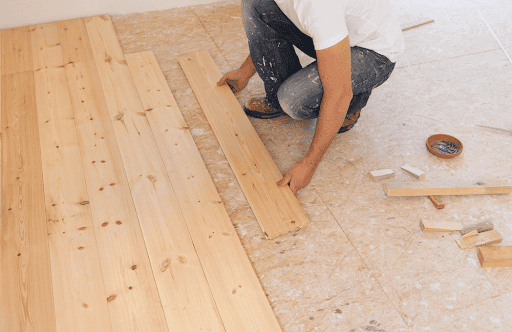
Hardwood Floors Can Transform a Room
Few home improvements can change the appearance of a room as quickly as new flooring. Hardwood planks can make a space feel more polished, cohesive, and inviting while providing a timeless foundation for different types of décor. Homeowners can choose from various wood species, colors, grain patterns, plank widths, and finishes to create a style that fits their homes.
Replacing worn, stained, or outdated flooring can also make a room feel noticeably fresher without requiring a complete renovation. The right hardwood floor can complement traditional, rustic, contemporary, and minimalist interiors, making it a versatile choice for homeowners who want an upgrade that can adapt to changing design preferences.
According to HomeAdvisor, hardwood floors are almost always a worthwhile investment because new planks can immediately improve a room’s appearance and may increase a home’s resale value by as much as 118%. This potential makes hardwood flooring appealing to homeowners who want to improve their living spaces while also considering the property’s future marketability.
Durability Is a Major Consideration for Homeowners
When choosing new flooring, appearance is important, but homeowners also need to think about how well the material will hold up to everyday use. Floors experience constant traffic, furniture movement, spills, and other sources of wear. A material that looks attractive but cannot withstand the demands of a household may require frequent repairs or replacement.
Hardwood flooring can provide a durable surface when the appropriate material and finish are selected for the home’s needs. However, the specific type of wood, finish, installation quality, and maintenance routine can all affect how well the flooring performs over time.
According to Fixr, 83% of homeowners consider durability a priority when choosing new flooring for their homes. This focus on long-term performance helps explain why many homeowners consider hardwood flooring when looking for a material that combines appearance with lasting functionality.
Proper Maintenance Helps Protect Your Investment
Installing hardwood floors is only the first step in preserving their appearance and performance. Routine maintenance can help reduce the effects of dirt, moisture, scratches, and everyday traffic. Homeowners should follow the flooring manufacturer’s recommendations for cleaning and avoid products that could damage the finish.
Simple habits can also help protect wood floors. Placing mats near exterior entrances can reduce the amount of dirt and moisture brought inside. Furniture pads can help minimize scratches, while cleaning up spills quickly can reduce the risk of moisture-related damage.
Eventually, even well-maintained floors may begin to show signs of wear. Dull finishes, scratches, and heavily trafficked areas can make the flooring look older than it is. According to This Old House, solid wood floors should generally be refinished every seven to 10 years. The appropriate timing can vary depending on factors such as household traffic, the condition of the finish, and the flooring’s overall condition.
Hardwood Flooring Offers Design Flexibility
Another potential advantage of hardwood flooring is its ability to adapt to changing interior styles. Homeowners can update their furniture, wall colors, artwork, and décor without necessarily needing to replace the flooring. This flexibility may help wood floors remain attractive even as design trends change.
Area rugs can also add color, texture, and warmth while allowing the character of the hardwood to remain visible. Homeowners can use rugs to define seating areas or add visual interest without making a permanent change to the floor itself.
Hardwood flooring can also create a more cohesive appearance throughout a home. Using complementary wood flooring in multiple rooms may help connect different living spaces and create a consistent overall design.
Consider Your Home’s Needs Before Installing Hardwood
While hardwood flooring can offer several benefits, homeowners should consider how the material will perform in their specific homes. Household traffic, pets, children, moisture levels, and the intended room can all affect the best flooring choice.
For example, homeowners may need to consider how much moisture a particular room experiences and whether the selected wood and finish are appropriate for those conditions. A professional flooring contractor can help homeowners evaluate their options, select suitable materials, and ensure the flooring is installed properly.
Thinking about these factors before installation can help homeowners make a decision that supports both the home’s appearance and its long-term functionality.
A Flooring Investment That Can Last
Hardwood floors may be more valuable than homeowners initially realize because their benefits extend beyond appearance. They can create a polished look, offer a durable surface for everyday life, and provide design flexibility that can last through changing interior styles.
With proper maintenance and periodic refinishing, hardwood floors can remain an attractive feature of a home for many years. Homeowners considering a flooring upgrade should weigh their budget, lifestyle, and long-term goals, but for many properties, hardwood flooring can be an investment that continues to provide value long after installation.

In many real estate markets, homes with hardwood floors are often more attractive and may sell faster than homes with carpet or some other types of artificial flooring.