
The awareness of global energy consumption and its impact on the environment has led to a significant shift in how we think about our living spaces. Homeowners and builders are increasingly prioritizing energy-efficient approaches, spurring a trend towards more sustainable, cost-effective homes. This article examines several key developments and innovations driving the trend towards energy-efficient homes.
Advancements in Heating and Cooling Systems
One of the most transformative areas in home energy efficiency lies in heating and cooling systems. According to the Department of Energy, modern air conditioning systems are about 50% more energy-efficient than their 1990 counterparts. This substantial improvement is attributed to technological advancements, such as variable-speed compressors and smart thermostats, which allow homeowners to reduce energy use while maintaining comfort.
Today’s heating systems have also seen significant advancements. According to Shipley Energy, today’s heating oil is now 90-95% cleaner compared to what it was in the 1970s. Such changes not only make heating systems more efficient but also significantly reduce emissions, contributing to a healthier environment.
Furthermore, innovations in insulation and home design have minimized heat loss, enhancing the overall efficiency of heating systems. Houses are now being constructed with energy-saving materials that maintain temperature, lowering the demand for intensive heating or air conditioning. This shows a significant commitment towards more sustainable home improvement practices.
The Rise of Solar Energy in Homes
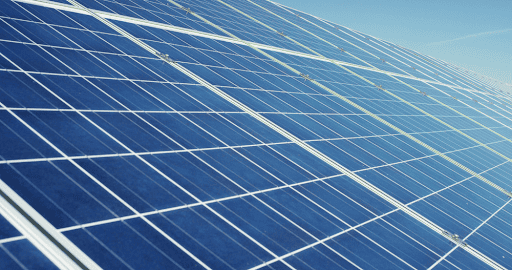
Solar energy has emerged as a major player in the realm of renewable energy solutions for homes. According to the Solar Energy Industries Association (SEIA), solar power was the fastest-growing electricity source in the U.S. in 2023, making up more than 50% of all new capacity. This growth is partly due to the dropping cost of solar panels and their increased efficiency.
For homeowners, investing in solar energy systems can result in significant long-term savings on energy bills. By harnessing the sun’s power, households are able not only to reduce their reliance on fossil fuels but also to benefit from various government incentives. Such installations can greatly enhance the market value of homes, culminating in a twofold benefit of cost savings and property valuation.
Moreover, the trend toward energy efficiency extends beyond individual homes. Community solar projects allow people who cannot install panels on their rooftops to subscribe to a shared solar array, broadening access to clean energy. This initiative reflects a shift in focus toward community-driven sustainability and home improvement practices.
Sustainable Building Materials and Designs
The materials used in housing construction significantly influence the energy efficiency of a home. Sustainable materials, such as recycled steel, bamboo, and insulated concrete forms, offer improved thermal performance and durability. This switch in building materials is part of a broader commitment to eco-friendly home improvement that reduces waste and lowers greenhouse gas emissions.
Increasingly, architects and builders are incorporating these materials into designs that maximize natural light, ventilation, and energy retention. This is not only a practical measure to reduce energy consumption but also enhances the aesthetic appeal of modern homes. As such, the integration of sustainable materials and green designs is recognized as both an environmental and financial asset.
Moreover, the focus on passive house design principles, which emphasize airtightness, advanced window technology, and heat recovery systems, contributes significantly to energy savings. These innovative designs often lead to homes that consume less energy for heating and cooling than conventional homes. The impact of these efforts represents a substantial move towards energy independence and responsible home improvement strategies.
The journey towards energy-efficient homes represents a significant paradigm shift in how we envision and construct our living spaces. Innovations in heating and cooling systems, the advent of solar energy, and sustainable materials have marked a new era of home improvement. As more homeowners embrace these changes, the benefits to both the environment and cost savings grow exponentially.
The commitment to energy efficiency is more than just a trend; it is a practical and necessary response to contemporary environmental challenges. By reducing energy consumption and fostering integration of renewable resources, the residential sector contributes to the global pursuit of sustainability. In the coming years, we can expect an even greater emphasis on innovative home improvement approaches that align economic savings with environmental stewardship.
The collective efforts in moving toward energy-efficient homes form a vital part of the broader movement towards a more sustainable and energy-conscious world. This ongoing transition heralds a promising future where homes not only offer comfort and safety but also contribute positively to the planet’s well-being.

I find the shift toward energy-efficient homes interesting because it shows how changes in everyday living spaces can support both lower costs and more sustainable resource use.