
A slip-and-fall claim requires the injured person to connect the harm to a dangerous condition and show that another party failed to respond reasonably. Photographs, medical records, witness accounts, inspection logs, and video footage can establish that connection. Each piece of evidence answers an important question: what caused the fall, who knew about the risk, how long the condition existed, and whether corrective action should have occurred before the incident.
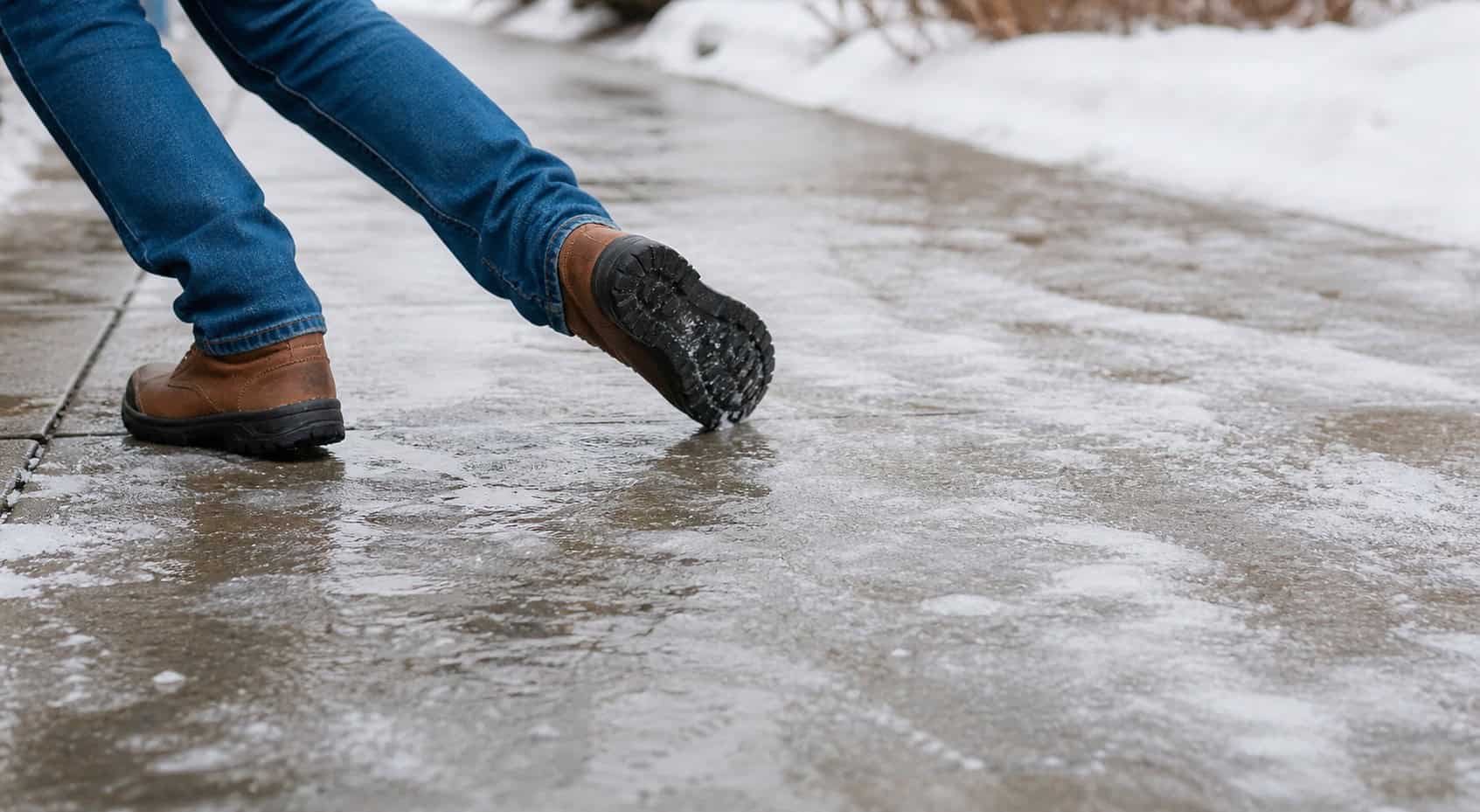
Why Evidence Matters
Property owners, tenants, and businesses may dispute responsibility after someone falls. Early evidence can clarify the accident before cleaning, repairs, or fading memories alter important details. A Las Vegas slip and fall lawyer can review available material, identify gaps, and explain how the state’s negligence standards may apply. They can also help preserve recordings, obtain business records, address insurer questions, and organize facts that support responsibility for the unsafe condition.
Witness Statements
Witnesses may explain how the fall occurred and what appeared on the walking surface. Their observations can establish whether employees noticed a spill, whether warning signs were present, or whether similar conditions existed earlier. Contact information should be collected promptly and be followed by a brief written account of each person’s observations, as memories can fade over time.
Surveillance Footage
Security recordings may show the fall, the condition preceding it, employee conduct, and the response afterward. Many systems automatically record over older files within days or weeks. A written preservation request can reduce the chance of accidental deletion. Cameras positioned near entrances, aisles, elevators, or parking areas may also show when a hazard was known and whether staff walked past it.
Incident Reports
An incident report may contain the date, time, location, reported hazard, employee response, and witness details. Early notes can reveal differences between a company’s initial observations and its later position. The injured person may request a copy, although access can depend on cooperation, insurance procedures, or formal legal demands. Any report should be compared with photographs and personal notes for consistency.
Medical Documentation
Medical records connect the fall with diagnosed injuries and required care. Emergency evaluations, imaging, physician assessments, therapy notes, prescriptions, and follow-up visits create a chronological record. Prompt treatment can also prevent other parties from alleging that another event caused the symptoms. Records should accurately describe pain, weakness, restricted movement, sleep disruption, and other changes affecting work or daily activities.
Maintenance and Inspection Records
Cleaning logs, inspection checklists, repair orders, and employee schedules may show whether reasonable safety procedures were followed. These materials can reveal inspection intervals, reported defects, completed repairs, or skipped duties. Earlier complaints and maintenance requests may indicate that management knew about a recurring problem. Missing entries can also raise questions about whether routine inspections actually occurred.
Notice of the Dangerous Condition
Notice is often central to a negligence claim. Actual notice refers to situations when an owner, manager, or employee knew about the danger. Constructive notice may apply when the condition existed for long enough that a reasonable inspection should have discovered it. Evidence may include complaints, employee messages, customer comments, video, photographs, and the visible state of the hazard.
Expert and Physical Evidence
Certain cases require testimony about flooring, stair construction, lighting, drainage, or maintenance practices. An expert may inspect the location, review records, measure conditions, and explain whether the property did not follow accepted safety practices. Shoes, clothing, damaged belongings, and broken objects should be preserved. These items may help prove contact with the hazard and support the injured person’s account.
Proving Financial Losses
A claim may include hospital charges, medication costs, rehabilitation expenses, lost wages, reduced earning capacity, and necessary household assistance. Employment statements, employer records, tax documents, invoices, and receipts can support these categories. A daily journal may record pain levels, limited movement, missed work, sleep problems, and abandoned activities. Consistent documentation provides decision-makers with a clearer picture of the injury’s practical effects.
Conclusion
A persuasive slip-and-fall claim usually depends on several sources supporting the same account. Images may establish the hazard, witnesses may confirm notice, business records may reveal ignored duties, and medical files may connect the incident with lasting impairment. Prompt action protects useful information. By recording conditions, seeking appropriate treatment, preserving physical items, and tracking financial losses, an injured person can present a more comprehensive case for negligence and recovery.
