
Your vehicle’s exterior does more than create a first impression. It also takes on exposure to road debris, weather, sunlight, and everyday driving conditions. If you’re looking for a way to protect or change your car’s appearance, paint protection film (PPF) and vinyl wraps are two options worth considering.
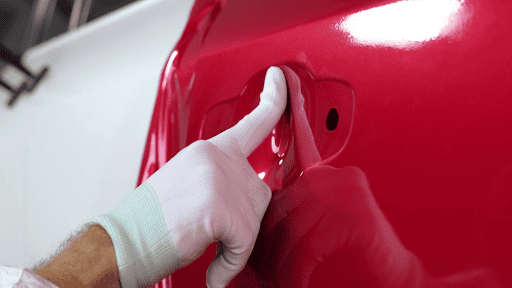
Although both use a flexible film applied to the vehicle’s exterior, they serve different primary purposes. Understanding how they differ can help you determine which option better fits your goals, budget, and expectations.
What Is Paint Protection Film?
Paint protection film is a transparent or nearly transparent layer designed primarily to protect a vehicle’s painted surfaces. It can be applied to areas that are particularly vulnerable to road debris, such as the hood, bumper, fenders, and side mirrors, or installed across the entire vehicle.
PPF is generally chosen when preserving the vehicle’s existing paint is the priority. The film can provide a physical barrier between the paint and some of the minor hazards encountered during everyday driving.
How Much Does PPF Cost?
The price of PPF can vary depending on the vehicle, coverage area, film selected, and installation requirements. According to VinylFrog, a PPF package can range from $1,100 to $2,200. This makes it important to consider both the amount of coverage you want and the value you place on protecting the vehicle’s existing finish.
A partial installation may cost less than covering the entire vehicle, while a more extensive application can require a larger investment. Getting an estimate based on your specific vehicle and desired coverage can help you understand the potential cost before committing.
What Is a Vinyl Wrap?
Unlike PPF, which is primarily intended to protect the vehicle’s paint, vinyl wrap is often used to change or customize its appearance. Wraps are available in numerous colors, finishes, patterns, and designs, giving vehicle owners considerable flexibility when creating a particular look.
A wrap can also provide some protection for the underlying paint from everyday environmental exposure. However, its primary appeal for many drivers is the ability to transform the vehicle without permanently repainting it.
Why Do People Choose Vinyl Wraps?
Personalization is a major reason some vehicle owners consider vinyl wraps. A wrap can make it possible to experiment with a different color or finish while maintaining the option of removing the material later.
According to TeckWrap International, more than 58% of U.S. vinyl wrap sales in 2024 came from consumers looking for creative personalization choices that traditional paintwork could not provide. This illustrates how wraps can appeal to drivers who view their vehicle’s appearance as an opportunity for customization.
The right wrap can dramatically change the visual character of a vehicle. Options can range from subtle color changes to bold finishes and distinctive graphics, depending on the owner’s preferences.
PPF vs. Vinyl Wrap: Which One Fits Your Goals?
The biggest difference between PPF and vinyl wrap comes down to what you want the material to accomplish. If your primary concern is preserving the appearance of your vehicle’s existing paint, PPF may be the more relevant option to investigate. If changing the vehicle’s appearance is the main objective, vinyl wrap offers a much broader range of customization possibilities.
Your priorities may also determine where the material is applied. PPF can be targeted toward high-impact areas, while vinyl wrap is commonly used across larger sections of the vehicle to create a consistent new appearance.
Neither option is automatically right for every vehicle. Consider how long you plan to keep the car, how you use it, the appearance you want, and how much you are prepared to spend.
How Long Does Full-Vehicle PPF Take?
The installation process can also require a meaningful time commitment, particularly when PPF is being applied across the entire vehicle. According to Forbes, a comprehensive full-vehicle PPF installation may take three to five days to complete.
The actual timeline can depend on factors such as the vehicle’s size and shape, the amount of coverage, the condition of the paint, and the installer’s process. Asking about the expected turnaround time before scheduling the work can help you plan accordingly.
Making Your Choice
PPF and vinyl wrap can both change the way you approach your vehicle’s exterior, but they address different priorities. PPF focuses primarily on protecting the paint you already have, while vinyl wrap provides an opportunity to change the vehicle’s appearance through color, finish, or design.
Before making a decision, consider whether protection or personalization is your primary goal. Comparing installation costs, coverage options, expected longevity, and the specific needs of your vehicle can help you choose an option that makes sense for your situation.
Ultimately, the right choice depends on what you want from the investment. Whether you’re trying to preserve your car’s finish or give it an entirely different look, understanding the differences between PPF and vinyl wrap is a useful first step.
