
Plant protein powder deserves closer scrutiny than a quick glance at its front label. Quality depends on amino acid content, agricultural sourcing, contaminant screening, serving size, and how comfortably the formula fits daily nutrition. A trustworthy product explains those details plainly. It also avoids hiding weak nutrition behind attractive packaging or broad purity claims. For us, the strongest choice is supported by measurable information, sensible formulation, and manufacturing practices that protect both safety and consistency.
Protein quality starts with the source. Pea, rice, hemp, and soy provide different amino acid profiles, textures, and digestive experiences. A useful formula should deliver sufficient essential amino acids, particularly after resistance training or during periods of reduced food intake. Shoppers comparing the best organic plant protein powder should examine the full panel. That means checking total grams, serving size, calories, added sweeteners, amino acid data, ingredient origins, and independent laboratory review before making a decision.
Protein Quantity Has Context
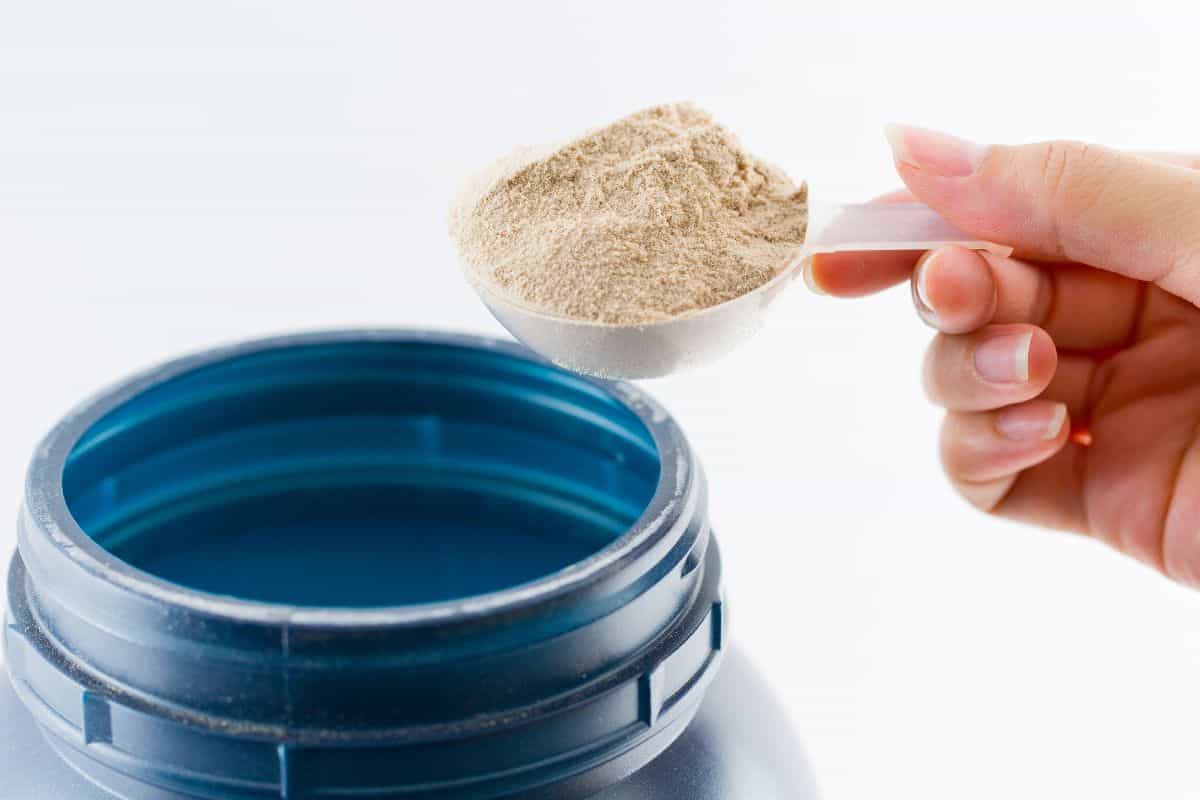
The largest number on a label does not automatically indicate superior nutrition. Serving volume can change the comparison substantially. One scoop may contain 25 grams of protein and a high calorie load, while another offers 20 grams with fewer extras. Reviewing protein per calorie, alongside carbohydrate, fat, fiber, and sugar, gives a more accurate picture of everyday value.
Amino Acids Matter
Essential amino acids help maintain and build muscle tissue. Leucine receives particular attention because it contributes to the cellular signal that initiates muscle protein synthesis. Plant sources differ in leucine concentration and overall amino acid balance. A detailed panel should list these figures rather than present total protein alone. A formula containing added methionine may also address a common limitation found in certain legume-based blends.
Source Transparency Builds Trust
Agricultural origin provides useful information about supply control. Peas grown in a named region offer more traceability than an unspecified raw material. That record should continue through extraction, blending, packaging, and product release. Responsible manufacturers explain how they track batches at each stage. Such documentation gives shoppers a practical basis for judging consistency, environmental practices, and accountability.
A Short Label is Not Enough
A brief ingredient list can look appealing, but length alone does not determine quality. Sunflower lecithin may improve dispersion, while natural flavor can make routine use more pleasant. The relevant question concerns function. Each component should have a recognizable purpose and appear in an amount appropriate for the formula. Labels should also clearly identify sweeteners, gums, oils, allergens, and processing aids.
Testing Should be Specific
Third-party analysis becomes meaningful when the testing scope is visible. Powdered supplements should be screened for heavy metals, microbial contamination, pesticide residues, and undeclared substances. Independent certification can add another layer of oversight, especially when lab results must correspond with label claims. Strong documentation identifies the testing organization, review frequency, certification standard, and batch details rather than relying on an unsupported purity statement.
Sugar and Calorie Counts Matter
A well-formulated powder should make energy intake easy to calculate. People limiting sugar may prefer an unsweetened option, while others may accept a small amount for better palatability. A moderate calorie count allows use alongside meals or snacks without distorting an established eating plan. Fiber, fat, and carbohydrate levels also influence satiety and suitability for different nutritional goals.
Mixability Affects Consistency
Texture influences adherence more than many labels acknowledge. Protein particles can clump, settle, or leave a gritty finish, depending on processing and formulation. Lecithin, gums, and particle size all affect dispersion in water or milk. Directions should state whether a shaker is sufficient or whether blending produces better results. Balanced sweetness matters too, since excessive intensity can discourage regular consumption.
Certifications Need Meaning
Certification marks answer different questions, so don’t treat them as interchangeable. One program may verify that contents match the label and screen for selected contaminants. Another may assess environmental residues or chemical exposure. Carbon certification addresses emissions accounting rather than nutritional purity. Shoppers should identify the standard behind each seal, then decide whether it supports the concern being evaluated.
Performance And Daily Use
Protein powder can support several nutritional needs. Athletes may use it after training, while older adults may need a convenient option when trying to preserve strength and lean tissue. Benefits depend on total daily protein, meal quality, physical activity, and adequate recovery. Added nutrients, such as calcium, iron, or choline, may increase usefulness. They should complement varied food choices rather than replace them.
Conclusion
A genuinely clean plant protein powder combines useful nutrition with accountable production. The strongest formulas disclose their source, amino acid profile, serving details, ingredient purpose, and laboratory controls. Practical qualities matter as well, including tolerable sweetness, smooth texture, manageable calories, and clear preparation instructions. When those features appear together, our choices become more informed. Clean quality is not a decorative claim. It is a documented pattern of safety, transparency, and nutritional value.
