
Drivers involved in a Houston collision may leave the scene with sharply different accounts. One person may deny changing lanes, claim a light was green, or accuse the injured driver of speeding. You can’t fairly settle fault by picking the loudest or earliest statement.
Professionals like Johnson Garcia car accident attorneys can test each account against physical, digital, and testimonial evidence. The goal is to reconstruct what occurred and identify which facts support or contradict the blame being assigned.
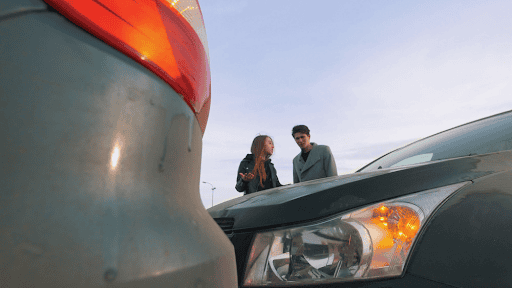
Driver Statements Are Only a Starting Point
Stress affects perception and memory. A driver may honestly misjudge distance or fail to see another vehicle before impact. Others may change their account after learning that their insurance or license could be affected. Reviewers therefore compare statements with evidence that does not depend on memory alone.
The police report may summarize what each driver said, identify witnesses, and include a diagram. It can help frame the investigation, but it may contain incomplete information. Officers often arrive after the collision and may not see every recording or vehicle component available later.
Physical Damage Tests the Competing Accounts
Where and how the vehicles are damaged can indicate how the vehicles came together. Crush patterns, paint transfer, broken lights, and debris may support one version of the collision. Road marks can tell us if there was braking or movement before impact.
Photographs should show each vehicle from all sides and the larger scene. You might see damage hiding behind exterior panels in repair estimates, and teardown photos. When the collision is severe or technically disputed, a qualified reconstruction professional can compare these details with roadway measurements and vehicle dynamics.
The resting position of a vehicle can mislead when drivers move to safety or another impact changes its path. Investigators should determine what happened before each photograph was taken. Tow records and body-camera footage may help establish when a vehicle or piece of debris was moved.
Digital Records Can Establish Movement and Timing
Dashcams, business surveillance, traffic cameras, and doorbell cameras may capture the approach to the collision. Video can reveal signal changes, lane position, following distance, or a driver’s reaction. Because many systems overwrite files, requests should be made quickly.
Modern vehicles may contain event data recorders. The National Highway Traffic Safety Administration explains that these devices can record information related to a crash. Depending on the vehicle, retrieved data may address speed, braking, throttle use, seat belts, or airbag deployment. It must be collected and interpreted correctly.
Independent Witnesses Add Context
A witness who has no relationship with either driver may describe facts that the parties missed. A person at a nearby bus stop might have seen a turn signal, a red light, or unsafe passing. Passengers can also provide useful testimony, although insurers may examine their relationship with the driver when assessing credibility.
Investigators should obtain contact information and a clear statement while the event is fresh. Later testimony can then be compared with the original account. Small differences are common. Major changes may require closer examination.
Credibility also depends on the opportunity to observe. Lighting, distance, obstructions, and the witness’s attention should be documented. A careful statement separates what the witness saw from what another person said afterward.
Texas Law Allows Fault to Be Divided
Blame is not always all or nothing. Under Chapter 33 of the Texas Civil Practice and Remedies Code, a claimant’s recovery can be reduced by the percentage of responsibility assigned to that claimant. A person generally cannot recover when the percentage exceeds the statutory threshold.
This rule gives insurers a reason to argue that an injured driver contributed to the crash. Evidence may be needed to answer claims about speeding, distraction, an unsafe lane change, or failure to react. Each allegation should be tied to a specific fact rather than accepted as a general accusation.
Consistency Builds a Reliable Case
Medical records, car damage, photos, video, and eyewitness statements all should fit together in one cohesive timeline. There could be a good reason for a gap. Unexplained conflicts can still undermine the claim. Preserving original files and avoiding edited social media posts also protects credibility.
If another driver blames you, respond with verifiable evidence. A disciplined reconstruction can replace competing opinions with a supported account of how the collision happened.
