
As the growing season winds down, it’s tempting to put away the rake and forget about the yard until spring. But the work you do now can make a big difference in how your lawn and garden look when warm weather returns. A thorough end-of-season cleanup protects plants from harsh winter conditions, prevents pests and diseases from settling in, and gives you a head start on next year. Here’s how to wrap up the season and set your yard up for success.
Give Your Lawn a Strong Finish
Yard care is one of the most popular hobbies in the country. According to Workyard, 80% of U.S. households now take part in gardening or lawn care. Whether you’re tending a small flower bed or a sprawling backyard, end-of-season maintenance helps protect all the time and effort you’ve invested.
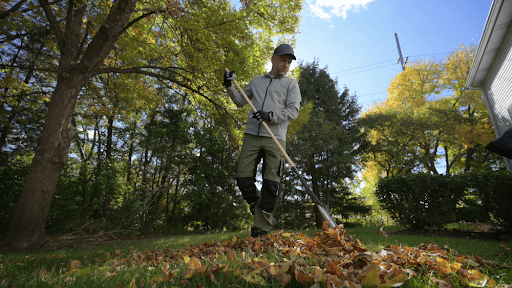
Start with the lawn. Rake or mulch fallen leaves so they don’t smother the grass and encourage mold. Continue mowing until growth slows, gradually lowering the blade for the final cuts to discourage disease and pests. Fall is also an ideal time to aerate compacted soil, overseed thin patches, and apply a fertilizer designed to strengthen roots before winter. These steps help your grass recover quickly once spring arrives.
Next, clean up flower and vegetable beds. Pull weeds before they drop seeds, remove spent annuals, and cut back perennials that are diseased or past their prime. Leave some seed heads and hollow stems standing if you’d like to provide food and shelter for birds and beneficial insects through the colder months.
Protect Your Beds With Mulch
Once beds are cleaned up, a fresh layer of mulch helps protect plant roots from freezing temperatures and the stress of repeated freezing and thawing. Mulch also retains moisture, suppresses weeds, and breaks down over time to enrich the soil.
Planning ahead ensures you buy the right amount. According to The Spruce, it takes roughly 38 50-pound bags of mulch to cover a 200-square-foot garden. Measuring your beds before heading to the store helps you avoid multiple trips or paying for extra bags you don’t need. For larger areas, buying mulch in bulk is often more cost-effective.
Spread mulch evenly around trees, shrubs, and perennials, keeping it a few inches away from trunks and stems to prevent rot and pest problems. Shredded leaves from your own yard can also make an excellent, free mulch for garden beds, and any extra leaves can go into a compost pile for next year.
Your Cleanup Pays Off
End-of-season yard work isn’t just about keeping things tidy. It also helps protect one of your home’s most valuable features: its curb appeal. A well-maintained yard makes a strong impression and can add real value to your property.
Even modest efforts can deliver big results. Better Homes and Gardens reports that simple landscaping can generate a return on investment of up to 200%. Keeping your yard healthy and well-groomed through every season helps maintain that value year-round.
Finish your cleanup by caring for your tools and equipment. Clean and sharpen pruners and shovels, drain fuel from mowers or add a stabilizer, and store hoses after draining them completely. Shut off outdoor water lines and cover or store patio furniture. Taking these steps now saves time and money when spring arrives.
Ready for a Fresh Start in Spring
A little effort at the end of the season sets the stage for a beautiful yard next year. By giving your lawn a strong finish, protecting beds with mulch, and caring for your tools and outdoor spaces, you’ll be ready to hit the ground running when the weather warms up again.
