
As the number of pet owners continues to rise, homeowners are increasingly focusing on creating safe and secure environments for their furry friends. This growing trend is influencing decisions related to backyard fencing, such as materials, technology, and installation practices. By understanding the latest trends, pet owners can make informed decisions that ensure the well-being of their pets while maintaining property aesthetics.
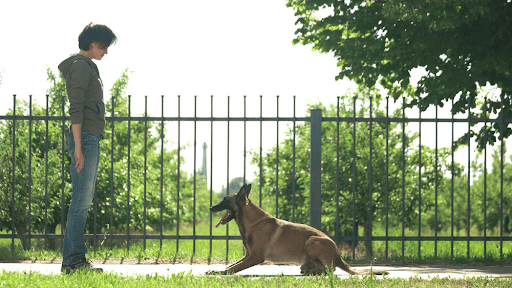
Growing Demand for Secure and Technologically Advanced Fences
In recent years, an increase in pet ownership has led to higher demand for backyard fencing solutions. The American Pet Products Association projects that by 2025, 66% of U.S. households will own a pet, prompting a greater emphasis on secure fencing installations. Customized fencing equipped with smart technologies is becoming an attractive option for many pet owners.
Smart fences offer features like automated gates and integration with home security systems, providing an extra layer of security. With advancements in technology, fences can now notify homeowners of potential breaches or even track the movements of their pets. These innovative solutions allow pet owners to care for their pets with minimal manual interference, enhancing the safety and convenience of pet ownership.
Another growing trend is the sustainable approach to fencing materials. Eco-friendly options, such as reclaimed wood or recycled metal, are gaining popularity among pet owners who are conscious of environmental impacts. These materials not only offer durability but also contribute to a smaller ecological footprint, aligning with the values of environmentally aware pet owners.
Durability and Maintenance of Fencing Materials
Choosing the right material for a pet-friendly fence is crucial to ensure long-term safety and durability. According to Bob Vila, wood fences commonly need replacement every 10 to 20 years, depending on maintenance and exposure to the elements. Understanding the lifespan of different materials can help pet owners plan for future replacements and upkeep.
Vinyl and metal fencing options are often cited for their longevity and low maintenance requirements compared to traditional wood fences. These materials are resistant to pests, decay, and weather damage, making them ideal for pet owners seeking a low-maintenance solution. Additionally, such materials can provide a solid barrier to prevent pets from escaping and keep other animals from entering the yard.
For those who prefer wooden fences, advancements in treatments and sealants can extend the lifespan significantly. Regular inspections and routine maintenance, such as cleaning and resealing, can also help maintain a wooden fence’s appearance and functionality. Ensuring the right upkeep avoids costly replacements and provides a safe environment for pets over time.
Compliance and Community Considerations
When installing a new fence, understanding the local regulations is essential for compliance and smooth project execution. HomeGuide suggests that fences typically do not require a permit if they are under 6 feet tall, yet it’s advisable to check with local planning authorities for specific guidelines. Such due diligence can prevent disputes with neighbors and mitigate unforeseen legal issues.
Engaging with neighbors when planning a new fence installation can foster a cooperative atmosphere and ensure shared understanding by all parties involved. Discussing the type, design, and placement of the fence can prevent future conflicts and enhance neighborhood aesthetics. Effective communication not only strengthens community ties but also provides support in maintaining property values.
Considering shared spaces, such as community dog parks, when planning fencing decisions, reflects a growing awareness about communal living. These spaces offer social interactions for pets and owners alike, and well-maintained fencing contributes to safety and cleanliness. Incorporating community needs into personal fencing decisions illustrates a commitment to responsible pet ownership and consideration for neighbors.
The dynamics of pet ownership are significantly influencing how people approach fencing solutions. As more households incorporate pets into their families, the emphasis on technologically advanced, durable, and compliant fencing options continues to strengthen. By embracing these changes, pet owners can provide a secure, enjoyable outdoor environment for their pets, aligning with both modern trends and the needs of responsible pet care.
