
Pets bring companionship, comfort, and joy to our lives, making their health an important part of responsible ownership. Preventive veterinary visits, appropriate nutrition, dental care, exercise, and attention to behavioral changes can help families support their pets throughout their lives. By establishing healthy routines and recognizing potential concerns early, owners can help their animal companions enjoy a better quality of life.
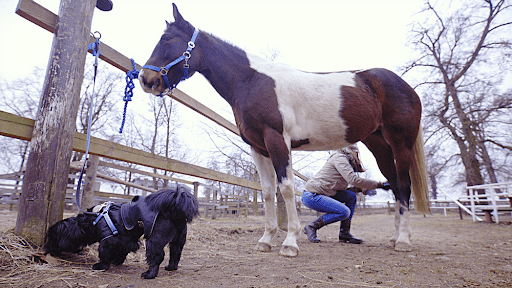
Schedule Regular Veterinary Wellness Exams
Routine veterinary visits are among the most important parts of preventive pet care. Even when an animal appears healthy, an examination can help identify developing concerns that may not be obvious at home. Veterinarians can assess body condition, examine the eyes and ears, evaluate the mouth, listen to the heart and lungs, and discuss changes in appetite, activity, or behavior.
During wellness appointments, the veterinarian can also recommend vaccinations, parasite prevention, diagnostic testing, and other services based on the animal’s age, lifestyle, medical history, and exposure risks. Puppies and kittens often require several appointments during their early months, while healthy adult pets may need less frequent visits depending on their individual circumstances. Senior animals may benefit from more frequent evaluations as their health needs change.
Access to veterinary care is an important consideration for pet owners across the country. With about 34,000 veterinary clinics and practices serving communities nationwide, owners can explore local options and establish a relationship with a veterinary team that understands their pet’s needs. Keeping appointments consistent also creates opportunities to discuss concerns before they become more difficult to address.
Provide Age-Appropriate Nutrition
A balanced diet helps pets maintain healthy muscles, bones, skin, and internal organs. However, nutritional needs change throughout an animal’s life. Growing puppies and kittens need food formulated to support development, while adult animals require appropriate portions and nutrient levels to maintain a healthy body condition. Senior pets may have different calorie needs or health considerations that influence their diets.
Choose commercially prepared pet food that is labeled as complete and balanced for the appropriate life stage, or consult a veterinary professional before selecting an alternative feeding plan. Portion sizes should reflect the animal’s size, activity level, age, and individual needs rather than relying exclusively on package suggestions. Treats can be useful for rewarding good behavior, but they should remain a limited part of the overall diet.
Fresh drinking water should always be available. Owners should also avoid sharing foods that may be dangerous to animals, including chocolate, grapes, raisins, onions, and products containing xylitol for dogs. Cats have their own dietary requirements, so they should not routinely eat food intended for dogs. When changing foods, a gradual transition may help reduce digestive upset. If a pet experiences persistent vomiting, diarrhea, appetite changes, or unexplained weight loss, contact a veterinarian for guidance.
Keep Vaccinations and Parasite Prevention Current
Vaccinations help protect pets against infectious diseases, including illnesses that can cause serious complications. The appropriate schedule depends on the animal’s age, health, geographic location, and likelihood of exposure to other animals. Veterinarians can explain which vaccines are considered essential and which may be recommended based on lifestyle, such as frequent boarding, travel, grooming visits, or outdoor activities.
Parasite prevention is another important part of maintaining long-term health. Fleas, ticks, heartworms, and intestinal parasites can affect animals in different ways, sometimes causing discomfort and sometimes contributing to more serious medical problems. A veterinarian can recommend suitable preventive products and testing schedules for a particular pet.
Owners should use medications only as directed and confirm that products are appropriate for the species, weight, and age of the animal. Some products formulated for dogs can be dangerous to cats, so treatments should never be shared between pets without veterinary guidance. Maintaining a record of vaccinations, preventive treatments, and test results can help owners stay organized and support informed decisions during future appointments.
Protect Dental Health From an Early Age
Dental health can influence a pet’s comfort, appetite, and overall well-being. Plaque and tartar buildup may contribute to gum inflammation, periodontal disease, and painful dental problems. Unfortunately, animals do not always show obvious signs of oral discomfort, so regular examinations are especially valuable.
Owners can support dental health by gradually introducing toothbrushing with a pet-safe toothbrush and toothpaste. Human toothpaste should not be used because some ingredients may be harmful if swallowed. Veterinary-approved dental diets, chews, and other products may also help, although they do not replace professional evaluation.
Teach Safe Interactions With Animals
Preventive care includes protecting pets and the people who interact with them. Even familiar, well-loved dogs may bite when frightened, injured, startled, or placed in an uncomfortable situation. Teaching children to approach animals calmly, respect their space, and avoid disturbing them while eating or sleeping can reduce the risk of dangerous encounters.
About 1,000 residents in the United States require emergency medical care for dog bites each day. This highlights why responsible ownership involves more than feeding, grooming, and veterinary appointments. Supervision, appropriate restraint, socialization, and awareness of an animal’s body language all contribute to safer interactions.
Encourage Safe Exercise and Healthy Behavior
Regular activity helps pets maintain a healthy weight, develop strength, and receive mental stimulation. Dogs often benefit from walks, interactive play, and opportunities to explore appropriate outdoor environments. Cats can stay active through climbing structures, puzzle feeders, and short play sessions that encourage natural hunting behaviors.
Exercise should reflect an animal’s age, breed, physical condition, and health status. Young animals may need frequent play with appropriate rest periods, while older pets may benefit from shorter, gentler activities. Animals with mobility problems or chronic conditions may require an adjusted routine based on veterinary recommendations.
Behavior is also an important part of preventive care. Sudden aggression, withdrawal, excessive vocalization, house-soiling, or changes in sleeping patterns can sometimes signal pain, stress, or illness. Rather than assuming these behaviors are simply disobedience, consider whether the animal’s environment or health has changed. Positive reinforcement, appropriate training, and predictable daily routines can help pets feel more secure while strengthening the relationship between animals and their owners.
Make Preventive Care a Lifelong Priority
Supporting a pet’s health requires consistent attention rather than a single visit or isolated change. Regular veterinary exams, balanced nutrition, dental care, parasite prevention, appropriate exercise, and safe daily routines all contribute to long-term well-being. Just as the equine sector plays a significant role in animal care and the broader economy, with the horse industry contributing an estimated $122 billion to the U.S. economy each year, caring for companion animals also represents a meaningful responsibility for families and communities.
Every pet has unique needs, so preventive care should be tailored to the animal’s species, age, lifestyle, and medical history. By building a relationship with a trusted veterinary team and responding thoughtfully to changes in health or behavior, owners can make informed decisions at every life stage. These everyday efforts can help pets remain comfortable, active, and connected to the people who love them.
