
Education is a dynamic field that continually evolves to meet the needs of students and society. Three critical factors that significantly influence the quality and effectiveness of education are teaching methods, student-teacher ratios, and safety in educational environments. Understanding these aspects can help the family make informed decisions about their children’s education and ensure a nurturing learning experience.
Teaching Methods
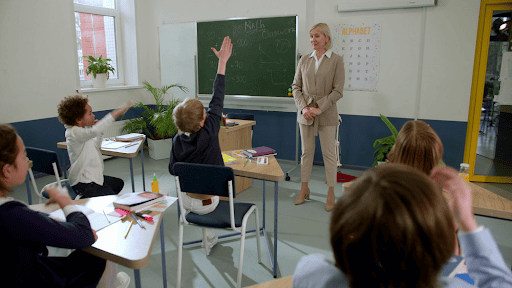
The approach to teaching greatly affects how students absorb and retain information. A prominent example is the Montessori method, which is employed by over 60,000 schools worldwide, according to the BBC. This method emphasizes hands-on learning, self-directed activity, and collaborative play, fostering an environment where children can learn at their own pace.
The Montessori method supports the development of independent thinkers, encouraging creativity and critical reasoning. By focusing on the individuality of each student, it creates a unique educational path tailored to personal interests and learning styles. Such teaching methodologies are proven to enhance cognitive, social, and emotional growth in students.
Incorporating diverse teaching methods in classrooms can cater to the varying learning needs of students. A flexible approach allows educators to adjust their methods in response to the unique dynamics and challenges of each group of students. It ensures a holistic educational experience that extends beyond traditional rote learning, preparing students for real-life situations.
Student-Teacher Ratios
The student-teacher ratio in educational institutions is a significant determinant of the quality of education provided. According to The Classroom, in private schools, about 36% reported having ratios of 10:1 or lower, contrasting sharply with only 10% for public schools. Lower ratios typically result in more individualized attention for students from teachers, fostering a more supportive and effective learning environment.
Smaller class sizes enable teachers to give more personalized feedback and support, addressing the unique needs of each student. This can lead to better academic outcomes as students receive the guidance necessary to overcome academic challenges. Furthermore, a closer student-teacher connection can promote a familial atmosphere in classrooms, helping students feel more comfortable and engaged.
Conversely, higher student-teacher ratios might diminish the level of individual attention students receive, possibly impacting their academic performance negatively. In larger classes, the teacher’s ability to manage and ensure the success of each student decreases. Therefore, maintaining an optimal student-teacher ratio is essential for promoting effective classroom management and enhancing educational quality.
Safety in Educational Environments
Safety is a foundation upon which the learning environment must be built. The CDC’s 2023 Youth Risk Behavior Survey reported that 8.6% of U.S. high school students had experienced unwanted physical contact at least once, with 11.4% experiencing sexual violence in the past year. These statistics highlight the urgent need to prioritize safety and implement protective measures in schools.
Schools must ensure that their policies offer protection against all forms of physical and emotional abuse. Creating a safe environment involves educating students on consent, respectful behavior, and personal safety, as well as establishing systems to report and address any incidents promptly. Safety training for educators and students alike can cultivate a supportive and secure atmosphere needed for effective learning.
Family involvement is crucial in fostering a safe educational setting. Parents are encouraged to remain actively engaged with their children’s schooling, advocating for policies and practices that promote safety and well-being. A cooperative effort between schools and families can establish a culture of safety that empowers students and enriches their educational experiences.
Addressing the key factors of teaching methods, student-teacher ratios, and safety can significantly enhance the educational landscape. By understanding and improving these aspects, schools can offer a more enriching, effective, and secure environment for learning. Families play a vital role in this process, ensuring that the changes meet the needs of their children and prepare them for the future.
